The Orthodox Christian Calendar in 2026: A Yr of Religion, Fasting, and Feasts
 The yr 2026, in accordance with the Gregorian calendar, can be a time of non secular significance for Orthodox Christians world wide. The Orthodox Church, sustaining its distinctive liturgical traditions and calendar system, will observe a cycle of feasts, fasts, and commemorations rooted within the lifetime of Christ, the Theotokos (Virgin Mary), and the saints. Understanding the Orthodox calendar for 2026 requires navigating its complexities, together with using the Julian calendar by some jurisdictions and the variations in calculating Pascha (Easter). This text will delve into the important thing points of the Orthodox Christian calendar in 2026, highlighting the essential dates, their theological significance, and the varied practices noticed by Orthodox Christians globally.
Understanding the Orthodox Calendar: Julian vs. Revised Julian
Probably the most basic side of understanding the Orthodox calendar is recognizing the distinction between the Julian and Revised Julian calendars. Whereas the Gregorian calendar is the usual civil calendar worldwide, many Orthodox Church buildings nonetheless adhere to the Julian calendar for calculating their liturgical yr. This distinction stems from the historic schism between the Jap and Western Church buildings and the next adoption of the Gregorian calendar by the West within the sixteenth century.
The Julian calendar is presently 13 days behind the Gregorian calendar. Which means that dates mounted to a particular day of the yr, similar to Christmas and the Feast of Theophany (Epiphany), fall 13 days later within the Julian calendar in comparison with the Gregorian.
Nonetheless, not all Orthodox Church buildings observe the Julian calendar completely. In 1923, a Revised Julian calendar was proposed, which aligned with the Gregorian calendar till the yr 2800. This calendar is utilized by many Orthodox Church buildings, together with the Ecumenical Patriarchate of Constantinople, the Church of Greece, and the Romanian Orthodox Church, for calculating mounted feasts. The essential distinction is that all Orthodox Church buildings, no matter which calendar they use for mounted feasts, calculate the date of Pascha (Easter) in accordance with the Julian calendar.
Due to this fact, in 2026, we’ll see a divergence within the dates for mounted feasts relying on the jurisdiction. Church buildings following the Julian calendar will have a good time Christmas on January seventh (Gregorian), whereas these following the Revised Julian calendar will have a good time it on December twenty fifth (Gregorian). This distinction can typically result in confusion, however it’s important to keep in mind that each traditions are legitimate expressions of Orthodox religion.
Pascha (Easter): The Cornerstone of the Orthodox Yr
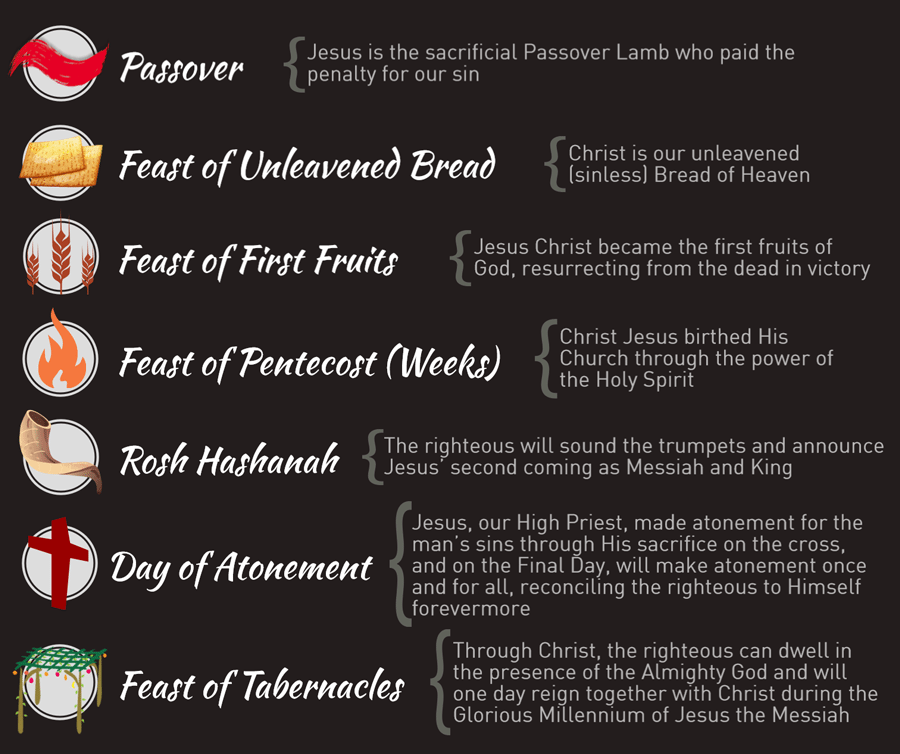
Pascha, the Feast of the Resurrection of Christ, is a very powerful feast within the Orthodox Church. It’s the “Feast of Feasts,” the end result of the liturgical yr, and the muse upon which all different feasts and fasts are structured. The date of Pascha is just not mounted; it’s a movable feast calculated in accordance with a posh components based mostly on the lunar cycle and the Jewish Passover.
The Orthodox Church follows the selections of the First Ecumenical Council of Nicaea (325 AD) in figuring out the date of Pascha. These pointers stipulate that Pascha have to be celebrated:
- After the Jewish Passover.
- On the primary Sunday after the primary full moon that happens on or after the vernal equinox (March twenty first in accordance with the Julian calendar).
This components ensures that the celebration of Christ’s Resurrection is traditionally and theologically linked to the Jewish Passover, highlighting Christ because the success of the Outdated Testomony prophecies.
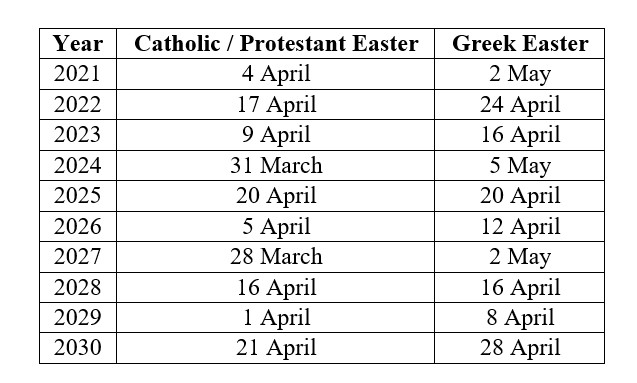
For 2026, Orthodox Pascha will fall on April twelfth (Gregorian calendar). This date would be the identical for all Orthodox jurisdictions, no matter which calendar they use for mounted feasts.
Nice Lent and Holy Week: Preparation for Pascha
The interval main as much as Pascha is marked by Nice Lent, a time of intense non secular preparation, fasting, and repentance. Nice Lent begins on Clear Monday (also referred to as Pure Monday), which is the Monday following Cheesefare Sunday (the final day on which dairy merchandise are permitted).
In 2026, Nice Lent will start on February twenty third (Gregorian calendar).
Throughout Nice Lent, Orthodox Christians historically observe a stricter quick than at different occasions of the yr. This quick usually includes abstaining from meat, dairy merchandise, eggs, fish (with some exceptions), olive oil, and wine. The aim of fasting is just not merely to abstain from meals however to create an area for prayer, reflection, and non secular progress.
Holy Week, the week previous Pascha, is essentially the most solemn week of the liturgical yr. Every day of Holy Week commemorates particular occasions within the remaining days of Christ’s earthly life, main as much as his crucifixion and resurrection. The companies throughout Holy Week are notably stunning and shifting, crammed with hymns, readings, and symbolic actions that convey the devoted nearer to the struggling and triumph of Christ.
Key Feasts and Commemorations in 2026
Past Pascha and the Lenten season, the Orthodox calendar is crammed with quite a few feasts and commemorations all year long. These feasts have a good time the lifetime of Christ, the Theotokos, and the saints, offering alternatives for non secular enrichment and communal worship.
Listed here are a number of the key feasts and commemorations in 2026, introduced with each Julian and Revised Julian dates (Gregorian calendar dates in parentheses the place relevant):
- The Nativity of Christ (Christmas):
- Julian Calendar: January seventh (Gregorian)
- Revised Julian Calendar: December twenty fifth (Gregorian)
- Theophany (Epiphany):
- Julian Calendar: January nineteenth (Gregorian)
- Revised Julian Calendar: January sixth (Gregorian)
- The Assembly of the Lord within the Temple:
- Julian Calendar: February fifteenth (Gregorian)
- Revised Julian Calendar: February 2nd (Gregorian)
- The Annunciation of the Theotokos:
- Julian Calendar: April seventh (Gregorian)
- Revised Julian Calendar: March twenty fifth (Gregorian)
- The Ascension of the Lord:
- Julian Calendar: Might twenty eighth (Gregorian)
- Revised Julian Calendar: Might 14th (Gregorian)
- Pentecost:
- Julian Calendar: June seventh (Gregorian)
- Revised Julian Calendar: Might twenty fourth (Gregorian)
- The Transfiguration of the Lord:
- Julian Calendar: August nineteenth (Gregorian)
- Revised Julian Calendar: August sixth (Gregorian)
- The Dormition (Falling Asleep) of the Theotokos:
- Julian Calendar: August twenty eighth (Gregorian)
- Revised Julian Calendar: August fifteenth (Gregorian)
- The Nativity of the Theotokos:
- Julian Calendar: September twenty first (Gregorian)
- Revised Julian Calendar: September eighth (Gregorian)
- The Exaltation of the Holy Cross:
- Julian Calendar: September twenty seventh (Gregorian)
- Revised Julian Calendar: September 14th (Gregorian)
- The Entry of the Theotokos into the Temple:
- Julian Calendar: December 4th (Gregorian)
- Revised Julian Calendar: November twenty first (Gregorian)
Fasting Durations All through the Yr
Along with Nice Lent, the Orthodox Church observes a number of different fasting durations all year long. These fasts are much less strict than Nice Lent however nonetheless contain abstaining from sure meals, notably meat, dairy merchandise, and eggs. The aim of those fasts is to arrange the devoted for main feasts and to domesticate a spirit of self-discipline and non secular consciousness.
The primary fasting durations in 2026 will embody:
- Apostles’ Quick: This quick begins on the Monday following All Saints Sunday (the Sunday after Pentecost) and continues till the Feast of Saints Peter and Paul (June twenty ninth/July twelfth).
- Dormition Quick: This quick lasts for 2 weeks, from August 1st/14th to August fifteenth/twenty eighth, main as much as the Feast of the Dormition of the Theotokos.
- Nativity Quick (Creation): This quick begins on November fifteenth/twenty eighth and continues till the Feast of the Nativity of Christ (December twenty fifth/January seventh).
Commemoration of Saints
Every day of the Orthodox calendar is devoted to the commemoration of a number of saints. These saints are women and men who lived lives of holiness and devotion, and who function examples for Orthodox Christians to emulate. The commemoration of saints is an integral a part of Orthodox worship, and their lives are sometimes recounted in hymns, readings, and icons.
The Orthodox Church acknowledges an enormous variety of saints, representing a various vary of backgrounds, cultures, and historic durations. Their tales encourage and encourage the devoted to stay lives of advantage and to try for union with God.
Native Variations and Practices
Whereas the elemental construction of the Orthodox calendar is constant throughout jurisdictions, there are sometimes native variations in follow and emphasis. Totally different Orthodox Church buildings could have their very own patron saints, have a good time particular native feasts, or observe distinctive customs and traditions.
For instance, some Orthodox communities could have a selected devotion to an area saint or icon, whereas others could emphasize sure points of the liturgical yr greater than others. These variations mirror the wealthy range and cultural heritage of the Orthodox Church world wide.
Conclusion: A Yr of Religious Progress and Communion
The Orthodox Christian calendar in 2026 affords a framework for non secular progress and communion with God. By the observance of feasts, fasts, and commemorations, Orthodox Christians are invited to take part within the lifetime of Christ, to honor the Theotokos, and to emulate the saints. Whereas navigating the complexities of the Julian and Revised Julian calendars can typically be difficult, the underlying goal stays the identical: to deepen our religion, to domesticate a spirit of repentance, and to arrange ourselves for the approaching Kingdom of God. As Orthodox Christians world wide journey via the liturgical yr in 2026, they are going to be united of their shared religion, their frequent traditions, and their unwavering hope within the Resurrection of Christ. The yr can be a tapestry woven with threads of fasting, prayer, and celebration, finally resulting in a deeper understanding of God’s love and a more in-depth relationship with Him.