The Orthodox Christian Calendar: A Deep Dive into January 2026
 The Orthodox Christian Church, with its wealthy historical past and deep-rooted traditions, follows a liturgical calendar that shapes the lives of its adherents. In contrast to the Gregorian calendar generally utilized in secular life, the Orthodox calendar is a posh system of feasts, fasts, and commemorations that join believers to the lifetime of Christ, the Theotokos (Virgin Mary), and the Saints. January, the primary month of the secular yr, holds vital non secular significance throughout the Orthodox custom. This text will present a complete overview of the Orthodox Christian calendar for January 2026, exploring its key feast days, fasting intervals, and the theological significance behind these observances.
Understanding the Orthodox Calendar: Julian vs. Revised Julian
Earlier than delving into the specifics of January 2026, it is essential to grasp the 2 calendar programs used throughout the Orthodox Church: the Julian and the Revised Julian.
- The Julian Calendar: That is the older of the 2, established by Julius Caesar in 45 BC. It’s presently 13 days behind the Gregorian calendar. Some Orthodox Church buildings, together with the Russian, Serbian, Georgian, Jerusalem, and Mount Athos monasteries, nonetheless adhere strictly to the Julian calendar for all feasts, together with Pascha (Easter). This implies their Christmas falls on January seventh of the Gregorian calendar.
- The Revised Julian Calendar: This calendar is a modification of the Julian calendar, designed to extra carefully align with the Gregorian calendar. Most Orthodox Church buildings, together with the Ecumenical Patriarchate of Constantinople, the Church buildings of Greece, Romania, Bulgaria, Cyprus, Albania, Poland, the Orthodox Church in America (OCA), and others, use the Revised Julian calendar for mounted feasts. Nevertheless, they sometimes proceed to make use of the Julian calendar for calculating the date of Pascha, guaranteeing unity within the celebration of a very powerful feast within the Orthodox Church.
Subsequently, January 2026 will see variations within the observance of sure feasts relying on which calendar a selected Orthodox Church follows. This text will primarily concentrate on the dates as they seem on the Revised Julian Calendar, noting discrepancies the place relevant.
Key Feast Days in January 2026 (Revised Julian Calendar):
January within the Orthodox calendar is marked by a number of essential feasts, providing alternatives for non secular reflection and celebration.
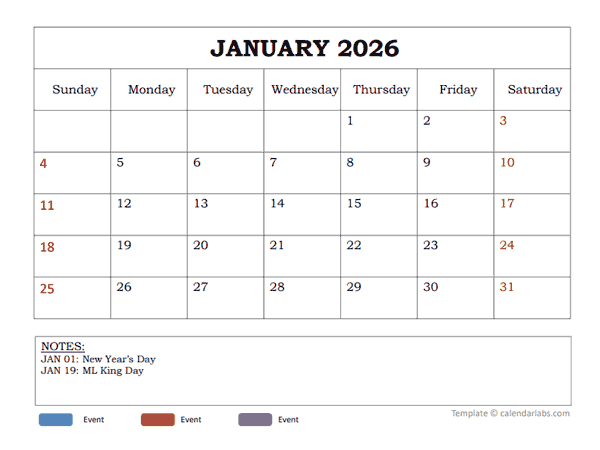
- January 1st: Circumcision of Our Lord and Saint Basil the Nice: Today commemorates two vital occasions. The primary is the circumcision of Jesus Christ, an act carried out in response to Jewish legislation on the eighth day after His delivery. This act symbolizes Christ’s obedience to the Regulation and His full identification with humanity. The second commemoration is of Saint Basil the Nice, Archbishop of Caesarea in Cappadocia (modern-day Turkey). St. Basil was a extremely influential theologian, reformer, and social employee recognized for his writings on monasticism, his protection of the Nicene Creed, and his institution of hospitals and charitable establishments. He’s revered as one of many Three Holy Hierarchs, together with St. Gregory the Theologian and St. John Chrysostom. Companies on today typically embody the Divine Liturgy of St. Basil, which is widely known just a few occasions a yr.
- January fifth: The Eve of Theophany (Epiphany) It is a strict quick day in preparation for the Nice Feast of Theophany. Orthodox Christians historically abstain from meat, dairy, eggs, and fish on today. The providers concentrate on the anticipation of the revelation of the Holy Trinity on the Baptism of Christ.
- January sixth: Theophany (Epiphany): The Baptism of Our Lord: This is without doubt one of the twelve Nice Feasts of the Orthodox Church, commemorating the Baptism of Jesus Christ by John the Baptist within the Jordan River. Theophany, that means “manifestation of God,” celebrates the revelation of the Holy Trinity: the Father’s voice from heaven, the Son being baptized, and the Holy Spirit descending as a dove. This occasion marks the start of Christ’s public ministry. A central custom of Theophany is the Nice Blessing of Waters, the place clergymen bless our bodies of water, symbolizing the sanctification of creation via Christ’s baptism. Folks typically take residence the blessed water to sanctify their properties and themselves. In some traditions, courageous people will dive into the chilly water to retrieve a cross thrown by the priest, symbolizing their dedication to Christ.
- January seventh: Synaxis of St. John the Baptist: Today instantly follows Theophany and honors St. John the Baptist, the Forerunner of Christ. It’s a “synaxis,” that means a gathering or meeting, particularly to honor the saint who performed an important function in Christ’s ministry. St. John is revered for his ascetic life, his preaching of repentance, and his function in getting ready the way in which for the Messiah.
- January seventeenth: Saint Anthony the Nice: St. Anthony is taken into account the daddy of monasticism. He lived within the Egyptian desert within the third and 4th centuries and is thought for his intense asceticism, his battles in opposition to demonic temptations, and his profound non secular knowledge. His life story, written by St. Athanasius, turned a mannequin for monastic life and impressed numerous people to hunt non secular perfection.
- January 18th: Saint Athanasius the Nice: One other essential determine within the early Church, St. Athanasius was the Archbishop of Alexandria and a staunch defender of the Nicene Creed, which affirms the divinity of Christ. He endured persecution and exile for his unwavering dedication to the orthodox religion, and his writings stay important for understanding Christian theology.
Fasting Durations in January 2026:
The Orthodox Church locations nice emphasis on fasting as a non secular self-discipline. Whereas January is usually thought-about a “free-from-fasting” interval instantly following the Nativity Quick (Creation) and main as much as the pre-Lenten interval, there are exceptions:
- January fifth: Eve of Theophany: As talked about earlier, today is a strict quick day.
- Wednesdays and Fridays: Until a serious feast falls on a Wednesday or Friday, today are historically noticed as days of fasting all year long. Whereas the strictness of the quick could range relying on particular person steering from a non secular father, Orthodox Christians sometimes abstain from meat, dairy, eggs, and fish on today.
Theological Significance of January’s Feasts:
The feasts celebrated in January throughout the Orthodox calendar provide profound theological insights:
- Circumcision of Our Lord: This feast highlights Christ’s full identification with humanity. By present process circumcision, Christ voluntarily submitted Himself to the Regulation, demonstrating His obedience to the Father and His willingness to meet all righteousness. It additionally foreshadows the New Covenant, which transcends the restrictions of the Previous Covenant.
- Theophany: The Feast of Theophany is a pivotal second within the Christian narrative. It reveals the Holy Trinity in a visual and audible method, confirming Christ’s divine id and His mission to redeem humanity. The baptism of Christ is just not merely a ritual cleaning however a profound act of self-emptying (kenosis), the place Christ, being with out sin, takes upon Himself the sins of the world. The blessing of waters symbolizes the sanctification of all creation via Christ’s incarnation and baptism.
- Commemorations of Saints: The commemoration of saints like St. Basil the Nice, St. Anthony the Nice, and St. Athanasius the Nice supplies examples of holy residing and non secular striving. These saints, via their lives of religion, prayer, and repair, provide inspiration and steering to Orthodox Christians looking for to observe Christ. They reveal that holiness is attainable via grace and perseverance.
Calendar Variations: Julian vs. Revised Julian in January 2026:
As beforehand talked about, using the Julian and Revised Julian calendars results in variations within the observance of sure feasts. For Church buildings adhering to the Julian calendar, the next changes are obligatory for January 2026:
- Nativity (Christmas): Celebrated on January seventh (Gregorian calendar).
- Circumcision of Our Lord and Saint Basil the Nice: Celebrated on January 14th (Gregorian calendar).
- Theophany (Epiphany): Celebrated on January nineteenth (Gregorian calendar).
- Synaxis of St. John the Baptist: Celebrated on January twentieth (Gregorian calendar).
- Saint Anthony the Nice: Celebrated on January thirtieth (Gregorian calendar).
- Saint Athanasius the Nice: Celebrated on January thirty first (Gregorian calendar).
It’s important for Orthodox Christians to pay attention to which calendar their native church follows to make sure they’re observing the feasts and fasts appropriately.
Non secular Practices in January:
Past attending church providers on feast days, Orthodox Christians have interaction in numerous non secular practices all through January:
- Prayer: Private and communal prayer is a cornerstone of Orthodox spirituality. January supplies alternatives for elevated prayer, reflecting on the importance of the feasts and looking for God’s steering for the brand new yr.
- Studying Scripture and Patristic Writings: Studying the Bible, particularly the Gospels and Epistles associated to the feasts of January, helps deepen understanding of the theological that means behind these occasions. Learning the writings of the Church Fathers, comparable to St. Basil, St. Anthony, and St. Athanasius, supplies additional insights into Orthodox doctrine and non secular life.
- Confession and Holy Communion: Usually collaborating within the sacraments of Confession and Holy Communion is important for non secular development. These sacraments provide forgiveness of sins and union with Christ, strengthening the believer’s relationship with God.
- Acts of Charity and Service: Following the instance of Christ and the saints, Orthodox Christians are known as to have interaction in acts of charity and repair to others. This may contain serving to the poor, visiting the sick, or volunteering locally.
- Fasting (when relevant): Observing the fasting days with diligence, whereas looking for steering from a non secular father, helps domesticate self-discipline and non secular consciousness.
Conclusion:
The Orthodox Christian calendar for January 2026, with its wealthy tapestry of feasts, fasts, and commemorations, provides a profound alternative for non secular development and renewal. By understanding the theological significance of those observances and fascinating in significant non secular practices, Orthodox Christians can deepen their relationship with God, strengthen their religion, and stay a life that displays the teachings of Christ and the instance of the Saints. Whether or not one follows the Julian or Revised Julian calendar, the core message stays the identical: to hunt God, to stay a lifetime of advantage, and to attempt for union with Christ in all issues. The month of January serves as a reminder that the brand new yr isn’t just a secular occasion, however an opportunity to recommit ourselves to the trail of salvation and to stay a life pleasing to God. The echoes of Theophany, the instance of the good saints, and the decision to obedience discovered within the Circumcision of Our Lord all mix to supply a robust non secular basis for the yr forward.