The Marathi Calendar of 2026: A Deep Dive into Custom, Festivals, and Astronomical Significance
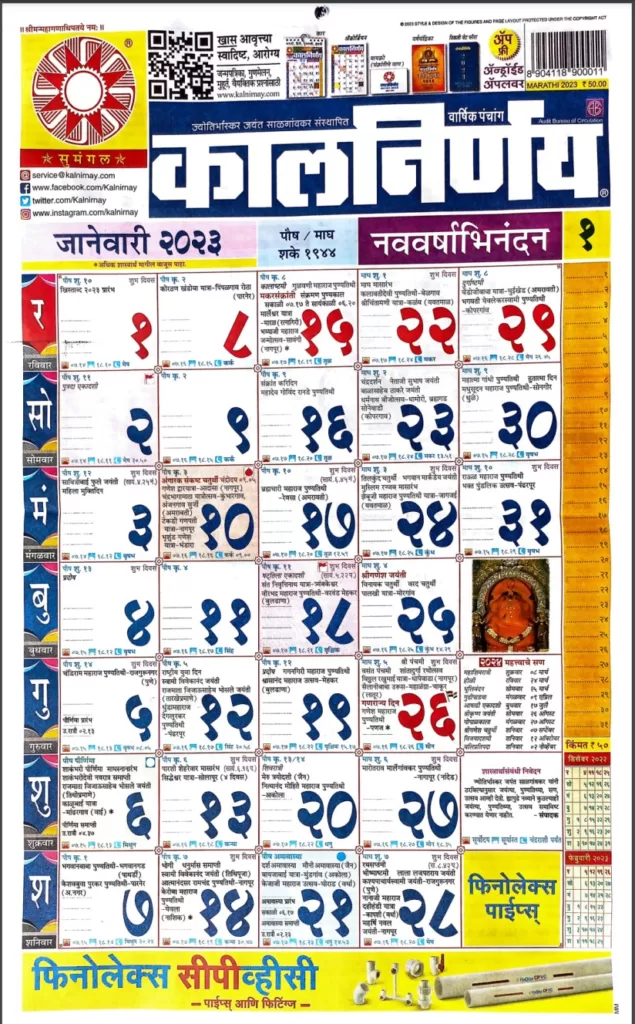
 The 12 months 2026, as measured by the Gregorian calendar, holds vital cultural and non secular significance for Marathi-speaking communities worldwide. It is because the Marathi calendar, also referred to as the Hindu calendar or panchang, dictates the timing of festivals, auspicious days, and non secular observances which are deeply woven into the material of Marathi life. Understanding the intricacies of the Marathi calendar for 2026 permits us to understand the wealthy heritage and astronomical information that underpins it. This text delves into the important thing elements of the Marathi calendar for 2026, exploring its construction, distinguished festivals, astronomical calculations, and its continued relevance in fashionable instances.
Understanding the Marathi Calendar (Panchang): A Lunisolar System
The Marathi calendar is a lunisolar calendar, that means it incorporates each the actions of the moon and the solar. In contrast to the Gregorian calendar, which is solely photo voltaic, the Marathi calendar’s months are based mostly on the lunar cycle, whereas the 12 months is adjusted to align with the photo voltaic 12 months. This ends in a system that’s each astronomically correct and carefully tied to agricultural cycles and seasonal modifications.
Key components of the Marathi panchang embrace:
- Tithi (Lunar Day): A tithi is the time it takes for the longitudinal angle between the solar and moon to extend by 12 levels. There are 30 tithis in a lunar month, divided into two fortnights: Shukla Paksha (the brilliant fortnight, from new moon to full moon) and Krishna Paksha (the darkish fortnight, from full moon to new moon). Every tithi is related to particular deities and has its personal distinctive significance.
- Nakshatra (Lunar Mansion): A nakshatra is a division of the ecliptic (the obvious path of the solar throughout the sky) into 27 segments. The moon resides in a distinct nakshatra every day, and these nakshatras are believed to affect occasions and personalities. Every nakshatra additionally has its personal deity and related traits.
- Yoga (Lunar Mixture): A yoga is a mixture of the longitudinal angles of the solar and moon. There are 27 yogas, every with its personal particular affect and significance.
- Karana (Half Tithi): A karana is half of a tithi. There are 11 karanas, that are used for calculating auspicious instances for varied actions.
- Vaar (Weekday): These are the identical because the Gregorian weekdays, named after celestial our bodies: Ravivaar (Sunday), Somvaar (Monday), Mangalvaar (Tuesday), Budhvaar (Wednesday), Guruvaar (Thursday), Shukravaar (Friday), and Shanivaar (Saturday).
The mix of those 5 components (panch-ang means “5 limbs”) supplies a complete framework for understanding the day’s astrological influences and figuring out auspicious timings for varied actions.
Months within the Marathi Calendar for 2026:
The Marathi calendar follows a cyclical sample of twelve lunar months. The place to begin of the 12 months varies relying on the regional custom. In Maharashtra, the 12 months usually begins with Chaitra. The months and their approximate Gregorian calendar equivalents for 2026 are as follows (word that the precise dates will fluctuate barely annually because of the lunar cycle):
- Chaitra (चैत्र): Mid-March to Mid-April. That is the primary month and marks the start of the Hindu New 12 months.
- Vaishakha (वैशाख): Mid-April to Mid-Could. A month related to spiritual observances and auspicious occasions.
- Jyeshtha (ज्येष्ठ): Mid-Could to Mid-June. A scorching month related to water conservation and rituals.
- Ashadha (आषाढ): Mid-June to Mid-July. Marks the start of the monsoon season and is related to devotion to Lord Vishnu.
- Shravana (श्रावण): Mid-July to Mid-August. A holy month devoted to Lord Shiva, marked by fasting and non secular observances.
- Bhadrapada (भाद्रपद): Mid-August to Mid-September. The month of Ganesh Chaturthi and different necessary festivals.
- Ashwina (आश्विन): Mid-September to Mid-October. The month of Navratri and Dussehra, devoted to the Goddess Durga.
- Kartika (कार्तिक): Mid-October to Mid-November. A month of lights and festivals, together with Diwali and Tulsi Vivah.
- Margashirsha (मार्गशीर्ष): Mid-November to Mid-December. A month devoted to Lord Krishna, with particular prayers and rituals.
- Pausha (पौष): Mid-December to Mid-January. A chilly month related to austerity and non secular practices.
- Magha (माघ): Mid-January to Mid-February. A month of non secular festivals and pilgrimages.
- Phalguna (फाल्गुन): Mid-February to Mid-March. The final month of the 12 months, culminating within the vibrant competition of Holi.
Main Festivals within the Marathi Calendar for 2026:
The Marathi calendar is punctuated by quite a few festivals, every with its personal distinctive traditions, rituals, and significance. Listed below are among the most distinguished festivals anticipated in 2026, together with their approximate Gregorian calendar timings:
- Gudi Padwa (गुढी पाडवा) - Chaitra Shukla Pratipada: (Late March/Early April) The Marathi New 12 months, celebrated with the hoisting of a gudi (a adorned bamboo pole) and the preparation of particular dishes. It symbolizes victory and prosperity.
- Ram Navami (राम नवमी) - Chaitra Shukla Navami: (April) The beginning anniversary of Lord Rama, celebrated with prayers, bhajans, and processions.
- Hanuman Jayanti (हनुमान जयंती) - Chaitra Purnima: (April) The beginning anniversary of Lord Hanuman, celebrated with prayers and choices to the deity.
- Akshaya Tritiya (अक्षय तृतीया) - Vaishakha Shukla Tritiya: (April/Could) An auspicious day for beginning new ventures, making investments, and performing charitable acts.
- Guru Purnima (गुरु पौर्णिमा) - Ashadha Purnima: (July) A day devoted to honoring non secular lecturers and mentors.
- Nag Panchami (नाग पंचमी) - Shravana Shukla Panchami: (July/August) A competition devoted to the serpent god, Naga, celebrated with choices of milk and prayers.
- Raksha Bandhan (रक्षाबंधन) - Shravana Purnima: (August) A competition celebrating the bond between brothers and sisters.
- Janmashtami (जन्माष्टमी) - Shravana Krishna Ashtami: (August) The beginning anniversary of Lord Krishna, celebrated with devotional songs, dances, and reenactments of his life.
- Ganesh Chaturthi (गणेश चतुर्थी) - Bhadrapada Shukla Chaturthi: (August/September) A ten-day competition celebrating the beginning of Lord Ganesha, marked by the set up of Ganesha idols and elaborate celebrations.
- Gauri Pujan (गौरी पूजन) - Bhadrapada Shukla Ashtami: (August/September) A competition devoted to Goddess Gauri, celebrated primarily by married girls for marital bliss and prosperity.
- Anant Chaturdashi (अनंत चतुर्दशी) - Bhadrapada Shukla Chaturdashi: (September) The ultimate day of Ganesh Chaturthi, when the Ganesha idols are immersed in water our bodies.
- Navratri (नवरात्री) - Ashwina Shukla Pratipada to Navami: (September/October) A nine-night competition devoted to the Goddess Durga, celebrated with dancing, music, and non secular rituals.
- Dussehra (दसरा) - Ashwina Shukla Dashami: (October) The tenth day of Navratri, celebrating the victory of fine over evil. Effigies of Ravana are burned to represent the triumph of Lord Rama.
- Diwali (दिवाळी) - Kartika Amavasya: (October/November) The competition of lights, celebrated with the lighting of lamps, fireworks, and the trade of sweets and presents. It symbolizes the victory of sunshine over darkness.
- Tulsi Vivah (तुळशी विवाह) - Kartika Shukla Dwadashi: (November) The ceremonial wedding ceremony of the Tulsi plant (holy basil) to Lord Vishnu, marking the top of the monsoon season and the start of the marriage season.
- Makar Sankranti (मकर संक्रांती) - Pausha: (January 2027 - because it falls within the Gregorian 12 months 2027) A harvest competition celebrated with the trade of sesame sweets and kites. It marks the transition of the solar into the Makar Rashi (Capricorn).
Astronomical Significance and Calculations:
The Marathi calendar is not only a set of dates and festivals; it’s rooted in refined astronomical calculations. The panchang makers, often known as panchangakartas, make use of complicated mathematical formulation and astronomical observations to find out the exact timings of varied occasions.
- Lunar Cycle Calculation: The size of the lunar month is calculated based mostly on the synodic interval of the moon (the time it takes for the moon to return to the identical part).
- Photo voltaic 12 months Alignment: The lunar 12 months is shorter than the photo voltaic 12 months by roughly 11 days. To compensate for this distinction, an additional month, often known as Adhik Maas or Purushottam Maas, is added to the calendar each 2-3 years. This ensures that the festivals stay aligned with the seasons.
- Planetary Positions: The panchang additionally consists of details about the positions of the planets, that are believed to affect astrological occasions.
- Ayanamsha: The Ayanamsha is the distinction between the sidereal zodiac (mounted stars) and the tropical zodiac (based mostly on the Earth’s seasons). That is used to regulate the planetary positions for precession of the equinoxes.
The accuracy of those calculations is essential for guaranteeing the proper timing of non secular observances and festivals.
Relevance in Fashionable Occasions:
Regardless of the widespread adoption of the Gregorian calendar for administrative and industrial functions, the Marathi calendar continues to carry immense significance within the lives of Marathi-speaking individuals.
- Non secular Observances: The panchang stays the first information for figuring out the dates of festivals, auspicious days, and non secular ceremonies.
- Private Occasions: Many households seek the advice of the panchang to find out auspicious timings for necessary occasions corresponding to weddings, housewarming ceremonies, and beginning new ventures.
- Agricultural Practices: Farmers usually use the Marathi calendar to information their planting and harvesting schedules, as it’s carefully aligned with seasonal modifications.
- Cultural Identification: The Marathi calendar is an integral a part of Marathi tradition and heritage. Its continued use helps to protect and transmit conventional information to future generations.
- Astrological Consultations: Many individuals seek the advice of astrologers who use the panchang to supply steering and insights based mostly on planetary positions and astrological influences.
Challenges and Variations:
Whereas the Marathi calendar stays related, it additionally faces sure challenges within the fashionable world.
- Accessibility: Understanding the complicated calculations and terminology of the panchang may be difficult for the typical individual.
- Regional Variations: Completely different areas might observe barely totally different variations of the panchang, resulting in confusion about competition dates.
- Modernization: There’s a must adapt the panchang to the altering wants of contemporary society, whereas nonetheless preserving its conventional essence.
To handle these challenges, efforts are being made to create user-friendly variations of the panchang, develop on-line assets, and promote consciousness about its significance.
Conclusion:
The Marathi calendar for 2026, like all years, represents a wealthy tapestry of custom, astronomy, and cultural heritage. It’s greater than only a system of dates; it’s a dwelling doc that connects individuals to their previous, guides their current, and shapes their future. By understanding the intricacies of the panchang, we will acquire a deeper appreciation for the knowledge and information of our ancestors and the enduring relevance of this historic system within the fashionable world. As we navigate the 12 months 2026, allow us to keep in mind the importance of the Marathi calendar and its position in shaping the cultural and non secular panorama of Marathi communities worldwide. The calendar serves as a reminder of the cyclical nature of time, the significance of custom, and the enduring energy of religion and group.