Navigating the Sacred 12 months: A Information to the 2026 Methodist Liturgical Calendar
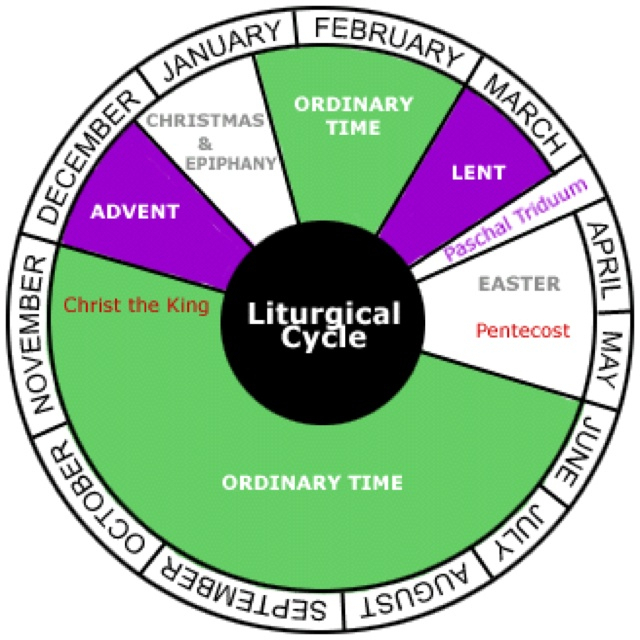
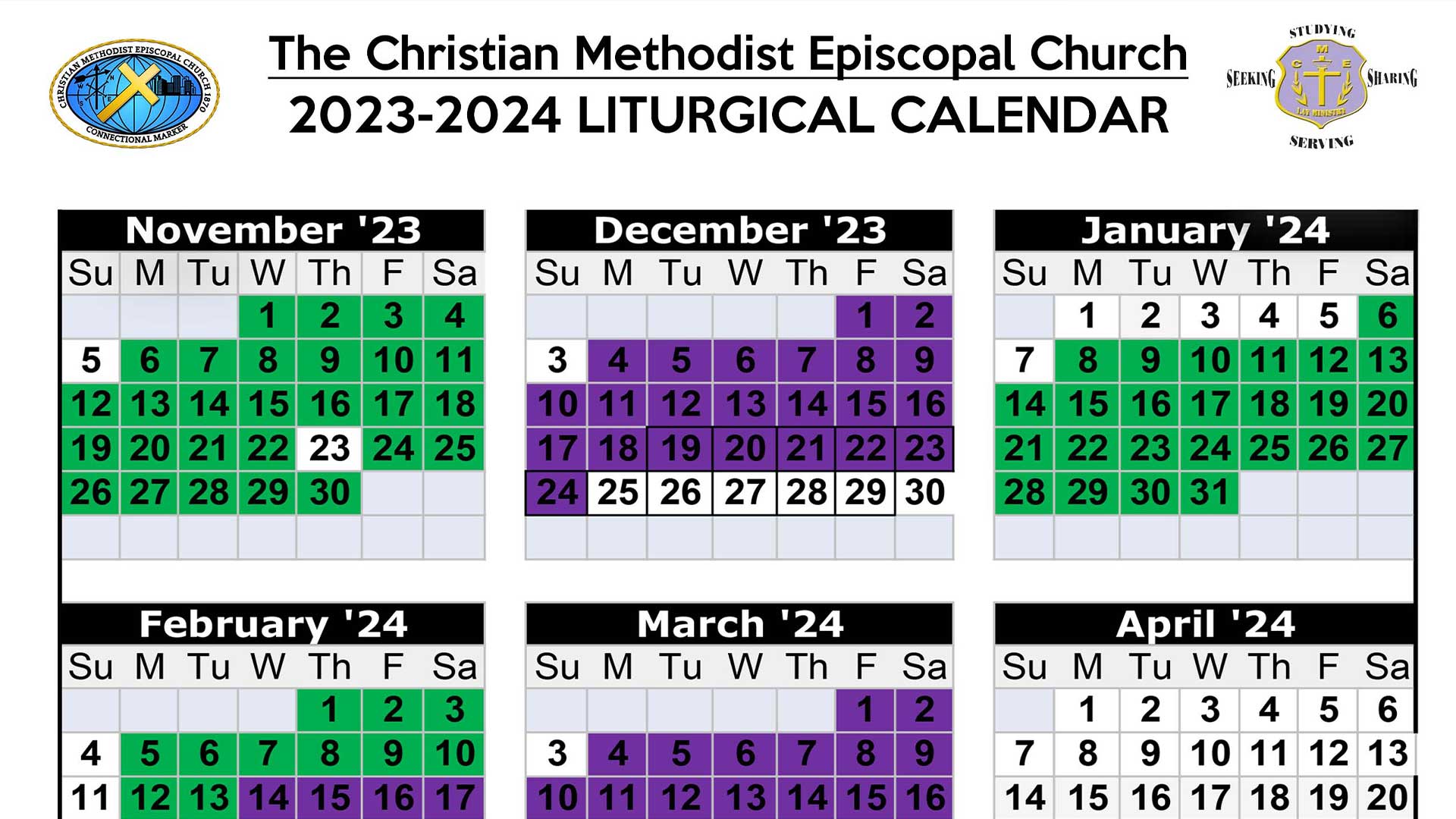
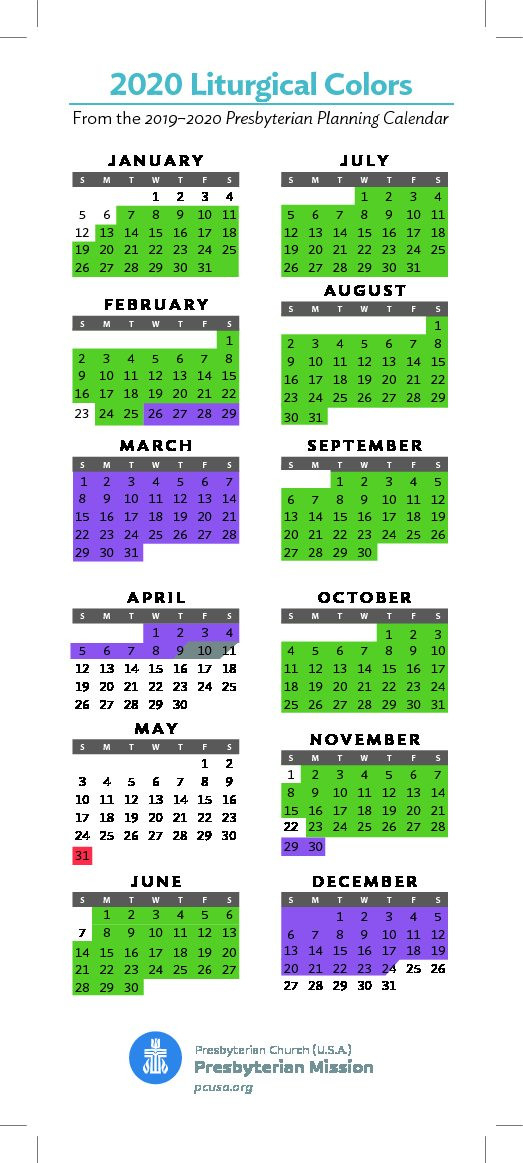
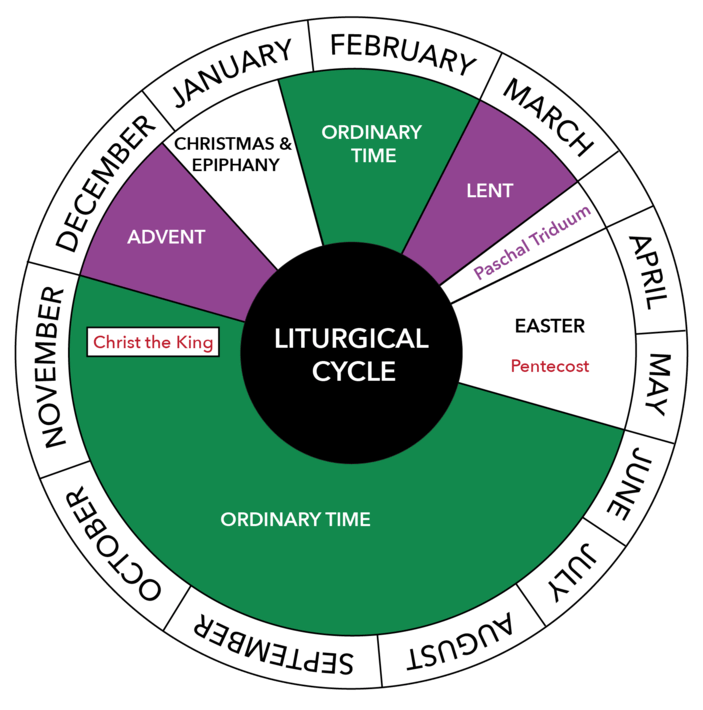 The liturgical calendar, a structured framework of seasons and observances, offers a roadmap for the Christian 12 months. It is a rhythm of remembering, celebrating, repenting, and anticipating, all centered on the life, loss of life, and resurrection of Jesus Christ. For Methodists, the liturgical calendar just isn’t a inflexible algorithm, however somewhat a useful information, shaping worship, religious practices, and even the way in which we interact with the world. Understanding the 2026 Methodist liturgical calendar permits people and congregations to deliberately take part within the unfolding story of God’s redemptive work.
This text gives a complete overview of the 2026 Methodist liturgical calendar, exploring its key seasons, particular days, and underlying theological themes. We’ll delve into the particular dates for 2026, highlighting the distinctive focus of every interval and suggesting methods to complement your private and communal observance.
Understanding the Basis: The Christian 12 months
Earlier than diving into the specifics of 2026, it is essential to grasp the overarching construction of the Christian 12 months. It is broadly divided into two cycles:
- The Cycle of Christ (or the Competition Half-12 months): This cycle focuses on the main occasions within the lifetime of Jesus, starting with Introduction and culminating in Pentecost. It contains Introduction, Christmas, Epiphany, Lent, Easter, and Pentecost.
- Extraordinary Time (or the Time After Pentecost): This constitutes the longest portion of the 12 months and offers house for reflecting on the implications of Christ’s life, loss of life, and resurrection for our every day lives. It is a time for discipleship, development, and residing out our religion on the planet.
The 2026 Methodist Liturgical Calendar: A Detailed Look
Here is a breakdown of the 2026 liturgical calendar, highlighting key dates and their significance throughout the Methodist custom:
1. Introduction (November 30, 2025 - December 24, 2025):
- Dates: Introduction begins on the Sunday nearest November thirtieth (St. Andrew’s Day) and lasts till Christmas Eve. In 2025, Introduction begins on November thirtieth and continues by way of December twenty fourth.
- Theme: Introduction is a season of preparation and anticipation. We bear in mind the longing of Israel for the Messiah and anticipate the approaching of Christ in 3 ways:
- His coming within the flesh (Christmas).
- His coming in our hearts by way of the Holy Spirit.
- His coming once more in glory on the finish of time.
- Colours: Purple or Blue (symbolizing royalty, repentance, and hope). Rose or Pink could also be used on the Third Sunday of Introduction (Gaudete Sunday), signifying a break within the penitential temper.
- Methodist Emphasis: Methodists typically emphasize the themes of hope, peace, pleasure, and love throughout Introduction, reflecting the 4 candles of the Introduction wreath. Social justice can also be a outstanding theme, connecting the anticipation of Christ’s coming with the necessity to work for justice and peace on the planet.
- Observance:
- Lighting the Introduction wreath every Sunday, specializing in a special theme every week.
- Studying scripture passages that talk of the Messiah’s coming (Isaiah, Luke).
- Singing Introduction hymns and carols.
- Participating in acts of service and outreach to these in want.
- Working towards intentional prayer and reflection.
- Utilizing an Introduction devotional.
2. Christmas (December 25, 2025 - January 5, 2026):
- Dates: Christmas begins on December twenty fifth and lasts for twelve days, ending on the eve of Epiphany (January fifth).
- Theme: Christmas celebrates the incarnation of Jesus Christ – God turning into human. It’s a time of pleasure, thanksgiving, and reflection on the profound implications of God’s love for humanity.
- Shade: White or Gold (symbolizing purity, pleasure, and celebration).
- Methodist Emphasis: Methodists rejoice the delivery of Jesus as a pivotal second in salvation historical past. Christmas is a time for household gatherings, gift-giving, and acts of charity, all reflecting the generosity of God.
- Observance:
- Attending Christmas Eve and Christmas Day companies.
- Singing Christmas carols.
- Spending time with family members.
- Giving presents to these in want.
- Reflecting on the which means of the incarnation.
- Persevering with the celebration all through the twelve days of Christmas.
3. Epiphany (January 6, 2026 - Ash Wednesday, February 18, 2026):
- Dates: Epiphany begins on January sixth and lasts till the start of Lent (Ash Wednesday).
- Theme: Epiphany celebrates the manifestation of Jesus to the world. It focuses on the revelation of Christ’s divinity, significantly by way of the go to of the Magi (Matthew 2:1-12), the baptism of Jesus (Matthew 3:13-17), and the miracle at Cana (John 2:1-11).
- Shade: White or Gold (symbolizing purity, pleasure, and revelation).
- Methodist Emphasis: Methodists see Epiphany as a time to replicate on our personal calling to be witnesses to Christ’s gentle on the planet. It is a time to contemplate how we will share the excellent news of Jesus with others.
- Observance:
- Remembering the go to of the Magi and their presents of gold, frankincense, and myrrh.
- Reflecting on the baptism of Jesus and the affirmation of his divine sonship.
- Contemplating the miracle at Cana and the ability of Jesus to rework lives.
- Participating in acts of evangelism and outreach.
- Specializing in mission work and international connections.
4. Lent (February 18, 2026 - April 4, 2026):
- Dates: Lent begins on Ash Wednesday and lasts for forty days (excluding Sundays), ending on Holy Saturday. In 2026, Lent begins on February 18th and ends on April 4th.
- Theme: Lent is a season of repentance, reflection, and religious self-discipline. It’s a time to look at our lives, confess our sins, and switch again to God. The forty days signify the time Jesus spent within the wilderness, being tempted by Devil.
- Shade: Purple (symbolizing repentance and sorrow).
- Methodist Emphasis: Methodists typically emphasize the Wesleyan emphasis on private and social holiness throughout Lent. This contains each inward reflection and outward acts of service and justice.
- Observance:
- Attending Ash Wednesday companies and receiving ashes as a logo of mortality and repentance.
- Working towards prayer, fasting, and almsgiving.
- Giving up one thing as a symbolic act of self-denial.
- Participating in scripture research and devotional studying.
- Collaborating in acts of service and outreach to these in want.
- Specializing in private and social justice points.
5. Holy Week (March 29, 2026 - April 4, 2026):
- Dates: Holy Week begins on Palm Sunday and culminates on Holy Saturday.
- Theme: Holy Week commemorates the ultimate week of Jesus’ life, together with his triumphal entry into Jerusalem, his final supper along with his disciples, his betrayal, arrest, trial, crucifixion, and burial.
- Colours: Fluctuate relying on the day:
- Palm Sunday: Purple (symbolizing Christ’s kingship and the fervour).
- Maundy Thursday: White (symbolizing the establishment of the Lord’s Supper).
- Good Friday: Black or Purple (symbolizing mourning and sacrifice).
- Holy Saturday: Purple or Black (symbolizing ready and anticipation).
- Methodist Emphasis: Methodists emphasize the profound love of God demonstrated within the sacrifice of Jesus on the cross. Holy Week is a time for deep reflection on the which means of the atonement.
- Observance:
- Attending Palm Sunday companies and receiving palm branches.
- Collaborating in Maundy Thursday companies, typically together with a foot-washing ceremony and the celebration of Holy Communion.
- Attending Good Friday companies, reflecting on the crucifixion of Jesus.
- Observing Holy Saturday as a day of quiet reflection and anticipation of the resurrection.
6. Easter (April 5, 2026 - Might 16, 2026):
- Dates: Easter begins on Easter Sunday and lasts for 50 days, ending on Pentecost Sunday.
- Theme: Easter celebrates the resurrection of Jesus Christ from the useless. It’s a time of pleasure, hope, and new life. The resurrection is the cornerstone of Christian religion, signifying victory over sin and loss of life.
- Shade: White or Gold (symbolizing purity, pleasure, and victory).
- Methodist Emphasis: Methodists rejoice the resurrection because the definitive proof of God’s love and energy. Easter is a time to resume our religion and commit ourselves to residing as resurrected individuals.
- Observance:
- Attending Easter Sunday companies and celebrating the resurrection of Jesus.
- Singing Easter hymns and carols.
- Sharing the excellent news of the resurrection with others.
- Participating in acts of service and outreach to these in want.
- Celebrating the brand new life that’s present in Christ.
7. Pentecost (Might 24, 2026):
- Date: Pentecost is well known fifty days after Easter Sunday. In 2026, Pentecost is on Might twenty fourth.
- Theme: Pentecost celebrates the descent of the Holy Spirit upon the apostles (Acts 2). It marks the delivery of the Christian Church and the empowering of believers to be witnesses to Christ.
- Shade: Purple (symbolizing the fireplace of the Holy Spirit).
- Methodist Emphasis: Methodists emphasize the significance of the Holy Spirit within the lifetime of the believer and the church. Pentecost is a time to wish for the outpouring of the Spirit and to hunt steering for our ministries.
- Observance:
- Attending Pentecost companies and celebrating the present of the Holy Spirit.
- Praying for the outpouring of the Spirit on the church and the world.
- Reflecting on the presents of the Spirit and the way we will use them to serve God and others.
- Participating in acts of evangelism and outreach, empowered by the Spirit.
8. Extraordinary Time (Might 25, 2026 - November 28, 2026):
- Dates: Extraordinary Time begins the day after Pentecost and lasts till the start of Introduction.
- Theme: Extraordinary Time is a season for reflecting on the implications of Christ’s life, loss of life, and resurrection for our every day lives. It’s a time for discipleship, development, and residing out our religion on the planet.
- Shade: Inexperienced (symbolizing development, life, and hope).
- Methodist Emphasis: Methodists emphasize the significance of residing out our religion in sensible methods throughout Extraordinary Time. This contains acts of service, justice, and compassion. It is a time for intentional discipleship and religious formation.
- Observance:
- Specializing in scripture research and theological reflection.
- Participating in acts of service and outreach to these in want.
- Collaborating in small teams and different discipleship alternatives.
- Searching for to develop in our religion and stay out our Christian values in all areas of our lives.
- Celebrating particular Sundays that fall inside Extraordinary Time, corresponding to:
- Trinity Sunday: Celebrates the doctrine of the Trinity (Father, Son, and Holy Spirit).
- Christ the King Sunday: Celebrates the reign of Christ over all creation.
Particular Days throughout the Liturgical 12 months:
Past the main seasons, the Methodist liturgical calendar additionally contains particular days that commemorate particular occasions or people. Lately can present alternatives for reflection and celebration:
- All Saints’ Day (November 1, 2026): A day to recollect and rejoice all of the saints, each recognized and unknown, who’ve gone earlier than us in religion.
- All Souls’ Day (November 2, 2026): A day to recollect and pray for the departed, significantly those that haven’t but attained full union with God.
- Reformation Day (October 31, 2026): A day to commemorate the start of the Protestant Reformation.
- World Communion Sunday (October 4, 2026): A Sunday devoted to celebrating the unity of Christians around the globe by way of the shared apply of Holy Communion.
- United Methodist Pupil Day (Normally the final Sunday in November): A day to help United Methodist college students by way of scholarships.
Utilizing the Liturgical Calendar in Methodist Church buildings:
The liturgical calendar is a beneficial device for shaping worship companies, planning academic applications, and guiding the general lifetime of the church. Methodist congregations typically use the liturgical calendar to:
- Choose scripture readings and hymns: The Revised Frequent Lectionary, a extensively used assortment of scripture readings organized in line with the liturgical 12 months, offers a framework for choosing acceptable texts for worship.
- Select acceptable liturgical colours: The colours of the liturgical 12 months assist to create a visible and emotional connection to the themes of the season.
- Plan sermons and academic applications: The liturgical 12 months offers a framework for exploring key theological themes and addressing related social points.
- Set up particular occasions and actions: The liturgical 12 months can encourage a wide range of particular occasions and actions, corresponding to Introduction wreath-lighting ceremonies, Christmas carol sings, Lenten soup suppers, and Easter egg hunts.
- Concentrate on mission and outreach: The liturgical 12 months can be utilized to spotlight alternatives for service and outreach, each regionally and globally.
Conclusion: Embracing the Rhythm of Grace
The 2026 Methodist liturgical calendar gives a wealthy and significant framework for experiencing the Christian 12 months. By understanding the important thing seasons, particular days, and underlying theological themes, people and congregations can deliberately take part within the unfolding story of God’s redemptive work. It is an invite to journey by way of the lifetime of Christ, to replicate on our personal lives, and to stay out our religion on the planet. The liturgical calendar is not only a schedule; it is a rhythm of grace, guiding us deeper into the guts of God. As Methodists, embracing this rhythm can result in a richer, extra significant, and transformative religious life, each individually and as a neighborhood of religion. So, embrace the journey, discover the depths of every season, and permit the liturgical calendar to form your coronary heart and thoughts as you search to observe Christ in 2026 and past.