Navigating the Sacred Yr: A Deep Dive into the Orthodox Christian Calendar for 2026
 The Orthodox Christian calendar, a wealthy tapestry woven with threads of scripture, custom, and hagiography, supplies a framework for religious life. Not like the Gregorian calendar utilized in secular society, the Orthodox Church largely adheres to the Julian calendar, leading to a distinction of 13 days. This distinction considerably impacts the dates of fastened feasts, whereas the date of Pascha (Easter), the cornerstone of the Orthodox religion, dictates the timing of many movable feasts. Understanding the Orthodox calendar for 2026 presents a roadmap for participating with the Church’s liturgical rhythm and deepening one’s reference to the divine.
Understanding the Two Calendars: Julian vs. Gregorian
Earlier than delving into the particular dates for 2026, it is essential to grasp the divergence between the Julian and Gregorian calendars. The Julian calendar, launched by Julius Caesar in 45 BC, calculated the size of a 12 months as 365.25 days. Whereas a major enchancment over earlier techniques, it was barely inaccurate, resulting in a gradual drift between the calendar and the precise photo voltaic 12 months.
The Gregorian calendar, launched by Pope Gregory XIII in 1582, addressed this inaccuracy by refining the intercalary year rule. Whereas the Julian calendar provides a leap day each 4 years, the Gregorian calendar skips leap years in century years not divisible by 400 (e.g., 1700, 1800, 1900 weren’t leap years, whereas 2000 was). This correction introduced the calendar extra carefully consistent with the photo voltaic 12 months.
Whereas many Orthodox Church buildings have adopted the Revised Julian calendar (which aligns with the Gregorian calendar for fastened feasts), a good portion, together with the Russian, Serbian, Georgian, and Jerusalem Patriarchates, together with quite a few monasteries and trustworthy, proceed to watch the unique Julian calendar. For these adherents, the 13-day distinction stays, impacting the dates of Christmas, Theophany, and different fastened feasts.
The Significance of Pascha (Easter): The Cornerstone of the Orthodox Yr
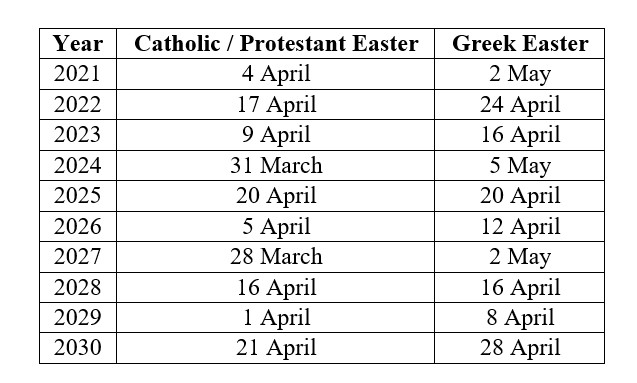
Pascha, the celebration of Christ’s resurrection, is an important feast within the Orthodox Church. Its date is set by a posh system primarily based on the lunar cycle and the Jewish Passover. Particularly, Pascha falls on the primary Sunday after the primary full moon that happens on or after the spring equinox (in accordance with the Julian calendar). Because of this Pascha can fall anyplace between April 4th and Might eighth (Julian calendar).
In 2026, Pascha will fall on April twelfth (Julian) / April twenty fifth (Gregorian). This date serves because the anchor for a lot of movable feasts, together with Nice Lent, Ascension, Pentecost, and All Saints Sunday.
Key Dates within the Orthodox Calendar for 2026 (Julian Calendar):
- January 1 (January 14 Gregorian): Circumcision of Our Lord; St. Basil the Nice - This feast commemorates the circumcision of Jesus Christ, fulfilling Jewish Legislation, and honors St. Basil the Nice, a Cappadocian Father recognized for his theological writings and charitable works.
- January 6 (January 19 Gregorian): Theophany (Epiphany) - This feast celebrates the baptism of Jesus Christ within the Jordan River, the place the Holy Trinity was revealed: the Father’s voice, the Son incarnate, and the Holy Spirit descending as a dove.
- February 2 (February 15 Gregorian): Presentation of Our Lord within the Temple (Hypapante) - This feast commemorates the presentation of the toddler Jesus within the Temple in Jerusalem, the place Simeon and Anna acknowledged Him because the Messiah.
- February 23 (March 8 Gregorian): Starting of Nice Lent - Nice Lent is a interval of fasting, prayer, and repentance in preparation for Pascha. It lasts for 40 days, mirroring Christ’s fasting within the wilderness. The Lenten Triodion, a liturgical e book containing hymns and prayers for this era, guides the trustworthy by way of the journey of religious purification.
- March 25 (April 7 Gregorian): Annunciation of the Theotokos - This feast celebrates the Archangel Gabriel’s announcement to the Virgin Mary that she would conceive and bear the Son of God. It’s a main feast within the Orthodox Church and is commonly celebrated even throughout Nice Lent with a rest of fasting guidelines.
- April 4 (April 17 Gregorian): Lazarus Saturday - This present day commemorates Jesus’ elevating of Lazarus from the useless, a prefigurement of His personal resurrection.
- April 5 (April 18 Gregorian): Palm Sunday - This present day commemorates Jesus’ triumphant entry into Jerusalem, the place He was greeted with palm branches and hailed because the Messiah.
- April 6-11 (April 19-24 Gregorian): Holy Week - The week main as much as Pascha is a time of intense mourning and reflection on the struggling and loss of life of Jesus Christ. Every day of Holy Week has its personal particular companies and readings, culminating within the Nice and Holy Saturday service, which anticipates the Resurrection.
- April 12 (April 25 Gregorian): Pascha (Easter) - The end result of the liturgical 12 months, Pascha celebrates the resurrection of Jesus Christ from the useless, conquering sin and loss of life. The Paschal service is a festivity full of hymns, processions, and the sharing of the Paschal greeting: “Christ is Risen!” “Certainly He’s Risen!”
- Might 21 (June 3 Gregorian): Ascension of Our Lord - Forty days after Pascha, the Church celebrates the Ascension of Jesus Christ into heaven, the place He sits on the proper hand of the Father.
- Might 31 (June 13 Gregorian): Pentecost - Fifty days after Pascha, the Church celebrates the descent of the Holy Spirit upon the Apostles, empowering them to evangelise the Gospel to all nations.
- June 7 (June 20 Gregorian): All Saints Sunday - The Sunday after Pentecost is devoted to the commemoration of all of the saints, recognized and unknown, who’ve happy God all through historical past.
- June 8 (June 21 Gregorian): Starting of the Apostles’ Quick - This quick, also called the Quick of the Holy Apostles Peter and Paul, varies in size relying on the date of Pascha. It begins the day after All Saints Sunday and ends on June twenty ninth.
- June 29 (July 12 Gregorian): Feast of the Holy Apostles Peter and Paul - This feast honors the 2 nice apostles, Peter, the “rock” upon which Christ constructed His Church, and Paul, the “apostle to the Gentiles.”
- August 1 (August 14 Gregorian): Procession of the Holy Cross; Starting of the Dormition Quick - The Dormition Quick is a two-week interval of fasting in preparation for the Feast of the Dormition of the Theotokos.
- August 6 (August 19 Gregorian): Transfiguration of Our Lord - This feast commemorates the transfiguration of Jesus Christ on Mount Tabor, the place He revealed His divine glory to Peter, James, and John.
- August 15 (August 28 Gregorian): Dormition of the Theotokos - This feast celebrates the “falling asleep” or loss of life of the Virgin Mary, adopted by her bodily assumption into heaven.
- August 29 (September 11 Gregorian): Beheading of St. John the Baptist - This feast commemorates the martyrdom of St. John the Baptist, the forerunner of Christ, who was beheaded by Herod.
- September 1 (September 14 Gregorian): Starting of the Church Yr - The Orthodox Church begins its liturgical 12 months on September 1st.
- September 8 (September 21 Gregorian): Nativity of the Theotokos - This feast celebrates the delivery of the Virgin Mary, the mom of God.
- September 14 (September 27 Gregorian): Elevation of the Holy Cross - This feast commemorates the rediscovery of the True Cross by St. Helena, the mom of Emperor Constantine.
- October 1 (October 14 Gregorian): Safety of the Theotokos - This feast commemorates the looks of the Theotokos in a imaginative and prescient to St. Andrew the Idiot-for-Christ in Constantinople, defending town together with her veil.
- November 21 (December 4 Gregorian): Entrance of the Theotokos into the Temple - This feast commemorates the doorway of the younger Mary into the Temple in Jerusalem, the place she was devoted to God’s service.
- November 15 (November 28 Gregorian): Starting of the Nativity Quick - This quick, also called Introduction, is a 40-day interval of preparation for the Nativity of Christ.
- December 6 (December 19 Gregorian): St. Nicholas the Wonderworker - This feast honors St. Nicholas, the Bishop of Myra, recognized for his generosity, miracles, and protection of the Orthodox religion.
- December 25 (January 7 Gregorian): Nativity of Our Lord (Christmas) - This feast celebrates the delivery of Jesus Christ in Bethlehem.
Different Necessary Concerns:
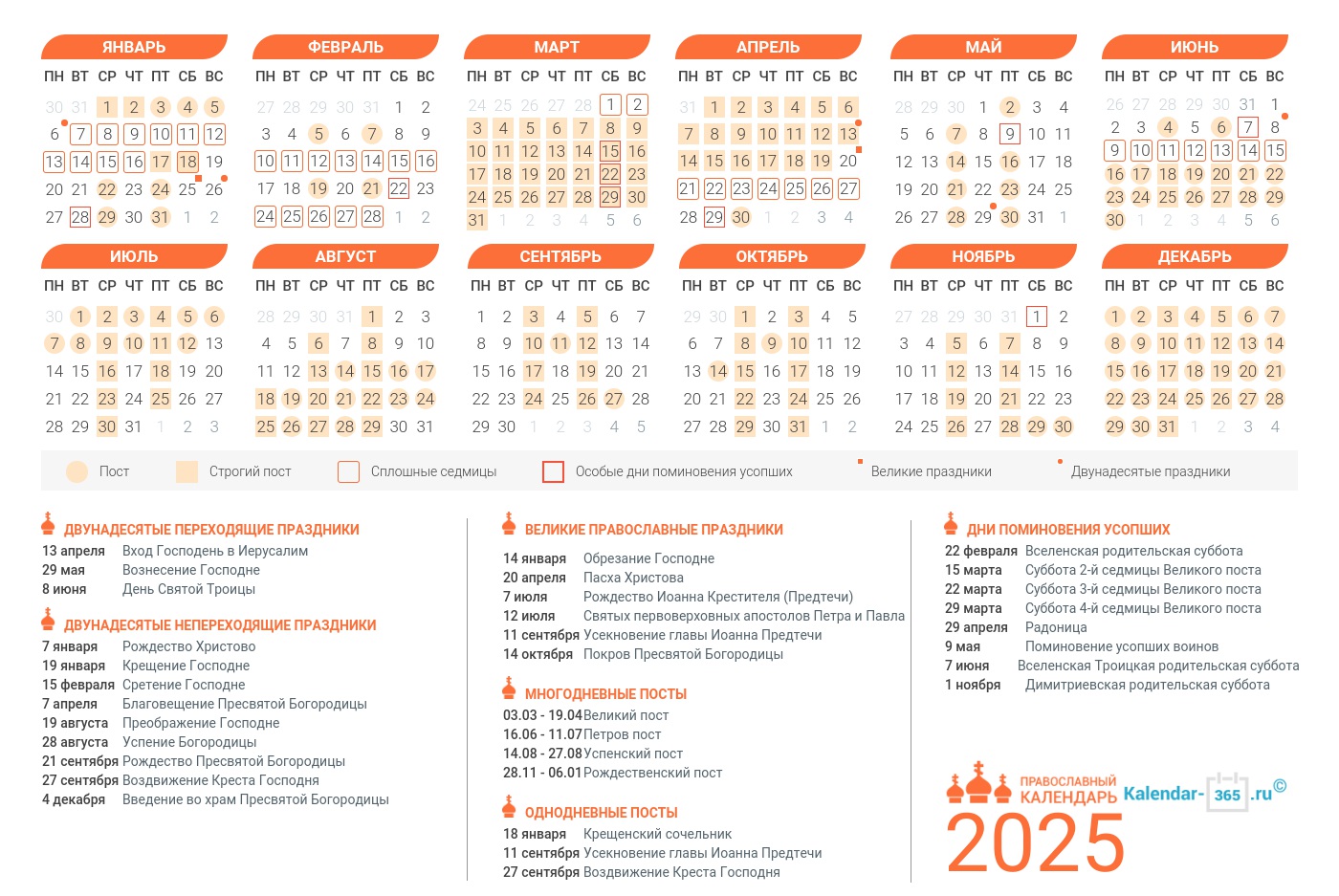
- Fasting Durations: The Orthodox calendar contains a number of intervals of fasting all year long, together with Nice Lent, the Apostles’ Quick, the Dormition Quick, and the Nativity Quick. These fasts contain abstaining from meat, dairy merchandise, eggs, and fish, and generally oil and wine, relying on the particular guidelines and traditions of the native church.
- Weekly Quick Days: Wednesdays and Fridays are usually noticed as quick days all year long, besides throughout sure feast intervals.
- Saints’ Days: The Orthodox calendar is full of commemorations of saints, every with their very own troparion (hymn) and kontakion (brief hymn). These saints function examples of religion and advantage, and their intercessions are sought by the trustworthy.
- Native Customs and Traditions: Whereas the overall framework of the Orthodox calendar is constant, native customs and traditions can fluctuate from area to area and from church to church. It’s at all times finest to seek the advice of along with your native priest or parish neighborhood for particular details about observances and practices.
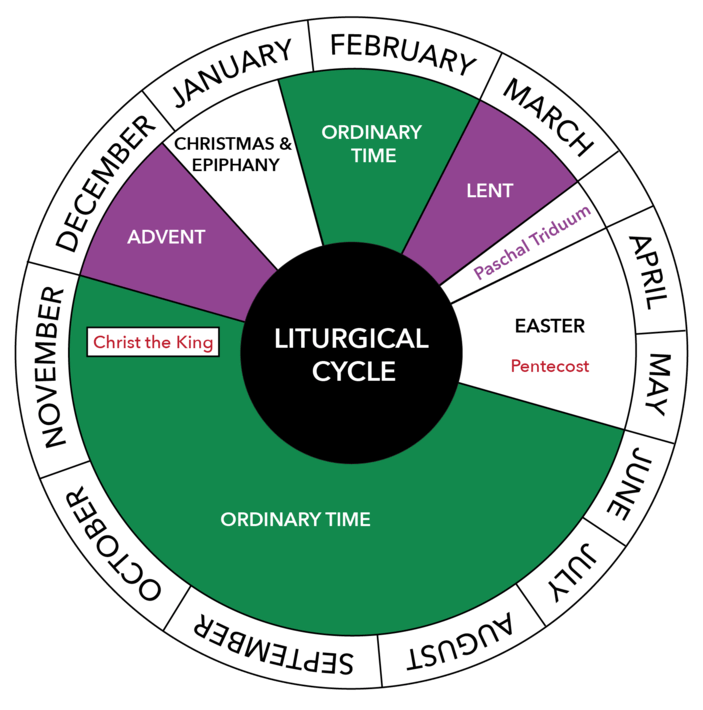
- The Liturgical Cycle: The Orthodox liturgical cycle is a posh system of readings, hymns, and prayers which can be repeated all year long. Understanding the liturgical cycle can deepen one’s appreciation for the richness and great thing about Orthodox worship.
Utilizing the Orthodox Calendar for Religious Development:
The Orthodox calendar is greater than only a checklist of dates; it’s a information to religious progress. By collaborating within the liturgical lifetime of the Church, observing the fasts, and commemorating the saints, Orthodox Christians can deepen their relationship with God and reside a lifetime of holiness. The calendar supplies a framework for prayer, reflection, and repentance, serving to the trustworthy to remain centered on the issues that actually matter.
Conclusion:
The Orthodox Christian calendar for 2026, with its intricate interaction of fastened and movable feasts, supplies a profound framework for religious life. By understanding the importance of every feast and interesting with the liturgical rhythm of the Church, Orthodox Christians can embark on a journey of religion, repentance, and transformation. This calendar, a testomony to the enduring energy of custom and the unwavering love of God, presents a pathway to deeper communion with the divine and a richer understanding of the Orthodox Christian religion. As we method 2026, allow us to embrace the alternatives provided by the liturgical 12 months to develop in our religion and draw nearer to Christ.