Navigating the Liturgical 12 months: A Information to the Church of England’s Calendar in 2026
 The liturgical calendar is the spine of Christian worship, a structured rhythm of seasons, feasts, and commemorations that information the non secular journey of the devoted all year long. For the Church of England, this calendar is greater than only a schedule; it is a dwelling tapestry woven with scripture, custom, and the continuing story of salvation. As we method 2026, understanding the nuances of this calendar turns into essential for each clergy and laity in search of to deepen their religion and take part totally within the lifetime of the Church.
This text will present a complete overview of the Church of England’s liturgical calendar for 2026, highlighting key dates, themes, and practices related to every season. We are going to discover the historic improvement of the calendar, its theological significance, and sensible methods people and congregations can interact with its wealthy tapestry.
A Calendar Rooted in Custom, Reaching In direction of the Future:
The Church of England’s liturgical calendar is deeply rooted within the traditions of the Western Church, drawing closely from the Roman Ceremony. Nevertheless, it additionally displays the distinctive historic and theological developments inside Anglicanism. The Ebook of Widespread Prayer, a cornerstone of Anglican identification, performs a major function in shaping the liturgical 12 months, offering the framework for companies, prayers, and readings.
Whereas the core construction of the calendar stays constant 12 months after 12 months, the precise dates of movable feasts, corresponding to Easter and Pentecost, range. This variability is decided by the lunar cycle and the date of the vernal equinox, connecting the Christian calendar to the rhythms of nature and the traditional Jewish custom of Passover.
Key Seasons and Commemorations in 2026:
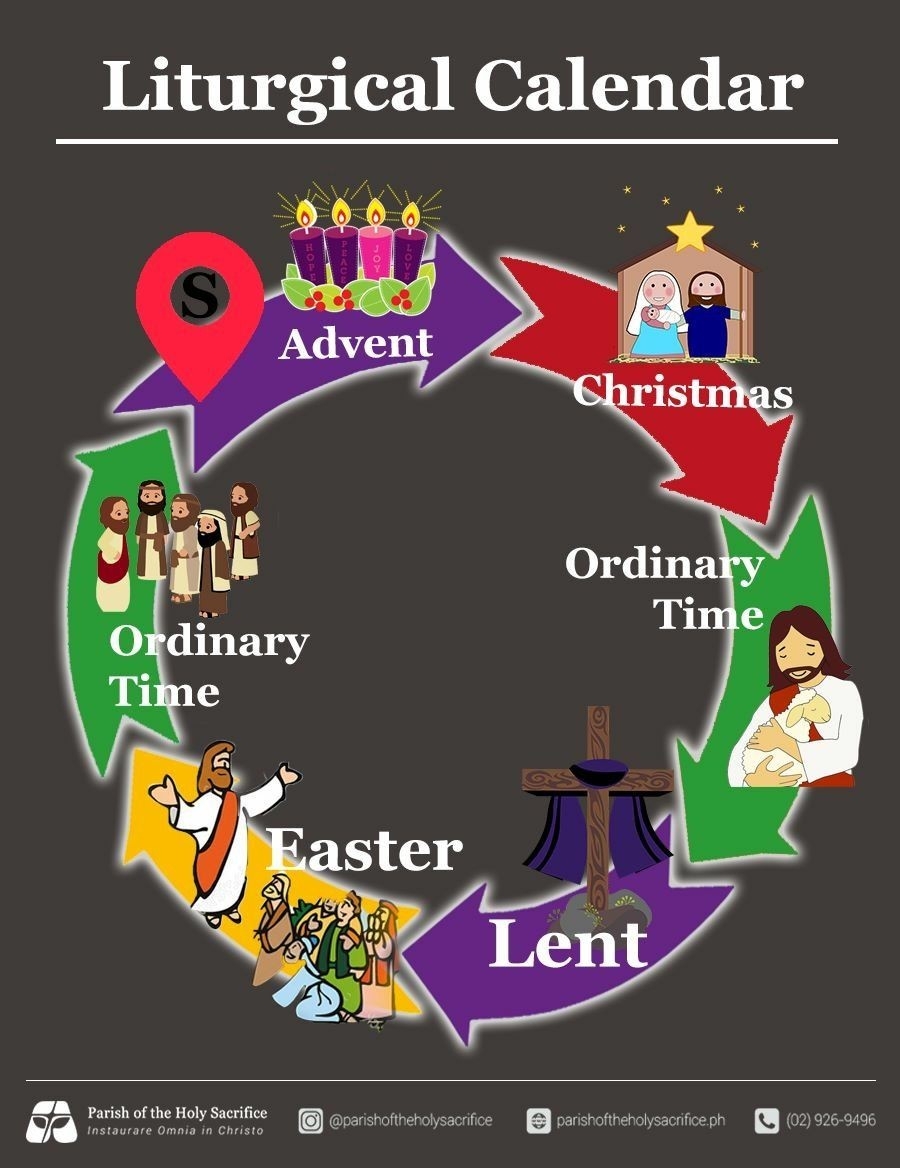
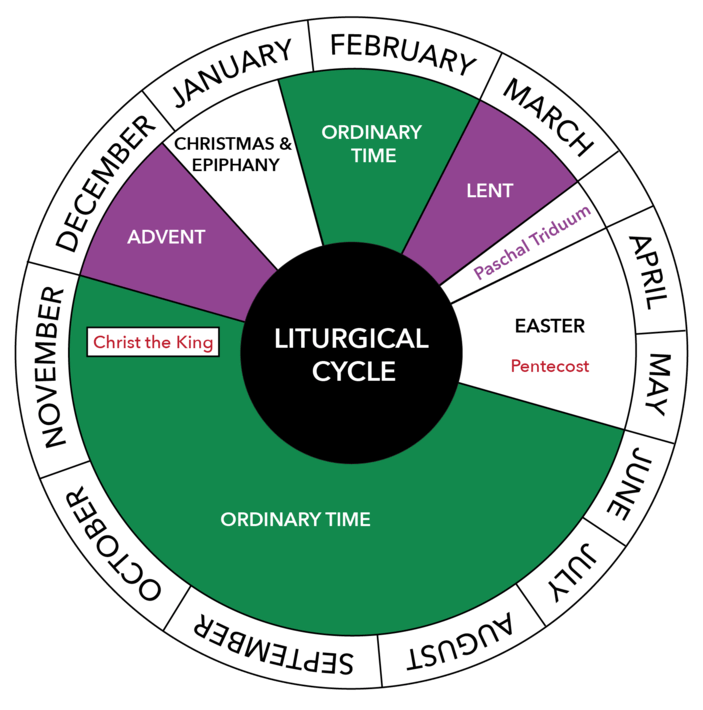
Let’s take a better take a look at the most important seasons and commemorations that may form the Church of England’s liturgical 12 months in 2026:
1. Introduction (November thirtieth, 2025 - December twenty fourth, 2025):
- Theme: Preparation, anticipation, and hope for the approaching of Christ.
- Shade: Violet or purple, symbolizing penitence and royalty.
- Focus: The 4 Sundays of Introduction every give attention to a selected side of Christ’s coming: hope, peace, pleasure, and love.
- Practices: Introduction wreaths with candles, readings from the Outdated Testomony prophets, hymns and carols targeted on anticipation.
- Significance: Introduction is a time for reflection on our want for redemption and a renewed dedication to dwelling in accordance with Christ’s teachings. It’s not merely a countdown to Christmas however a interval of non secular preparation for encountering the dwelling Christ in our lives.
2. Christmas (December twenty fifth, 2025 - January fifth, 2026):
- Theme: The Incarnation of God in Jesus Christ.
- Shade: White or gold, symbolizing purity, pleasure, and celebration.
- Focus: The start of Jesus, the go to of the Magi, and the revelation of God’s love for humanity.
- Practices: Christmas Eve and Christmas Day companies, carols, household gatherings, gift-giving, and acts of charity.
- Significance: Christmas celebrates the central thriller of the Christian religion: God turning into human. It’s a time to rejoice within the present of salvation and to increase God’s like to others.
3. Epiphany (January sixth, 2026):
- Theme: The manifestation of Christ to the Gentiles, symbolized by the go to of the Magi.
- Shade: White or gold.
- Focus: The revelation of Jesus because the Messiah to all nations.
- Practices: Readings from the Gospel of Matthew concerning the Magi, blessing of houses, and reflection on the common scope of God’s love.
- Significance: Epiphany highlights the inclusive nature of the Christian message, inviting all folks to come across the risen Christ.
4. Bizarre Time (January seventh, 2026 - March seventeenth, 2026):
- Theme: The life and ministry of Jesus Christ.
- Shade: Inexperienced, symbolizing progress and hope.
- Focus: The teachings, miracles, and parables of Jesus as recorded within the Gospels.
- Practices: Readings from the Gospels, reflection on the implications of Jesus’ teachings for every day life, and acts of service.
- Significance: Bizarre Time is a season for deepening our understanding of Jesus’ life and making use of his teachings to our personal lives. It’s a time for non secular progress and discipleship.
5. Lent (March 18th, 2026 - April 4th, 2026):
- Theme: Repentance, self-examination, and preparation for Easter.
- Shade: Violet or purple.
- Focus: The forty days Jesus spent within the wilderness, fasting and praying.
- Practices: Fasting, prayer, almsgiving, self-denial, and reflection on private sin.
- Significance: Lent is a time for non secular renewal and a turning away from sin. It’s a time to look at our lives, confess our shortcomings, and search God’s forgiveness.
6. Holy Week (March twenty ninth, 2026 - April 4th, 2026):
- Theme: The ultimate week of Jesus’ life, together with his triumphal entry into Jerusalem, the Final Supper, his crucifixion, and burial.
- Shade: Varies relying on the day: purple, purple, black, or white.
- Focus: The occasions main as much as Jesus’ demise and resurrection.
- Practices: Palm Sunday processions, Maundy Thursday companies commemorating the Final Supper and the washing of the disciples’ toes, Good Friday companies reflecting on the crucifixion, and Holy Saturday vigils anticipating the resurrection.
- Significance: Holy Week is probably the most solemn week of the liturgical 12 months, a time to recollect the struggling and sacrifice of Jesus Christ.
7. Easter (April fifth, 2026 - Could sixteenth, 2026):
- Theme: The resurrection of Jesus Christ from the useless.
- Shade: White or gold.
- Focus: The victory of Christ over sin and demise, the promise of everlasting life, and the brand new creation.
- Practices: Easter Sunday companies celebrating the resurrection, Easter hymns and carols, and sharing the enjoyment of the resurrection with others.
- Significance: Easter is an important pageant within the Christian 12 months, celebrating the central reality of the Christian religion: the resurrection of Jesus Christ.
8. Ascension Day (Could 14th, 2026):
- Theme: The ascension of Jesus Christ into heaven.
- Shade: White or gold.
- Focus: Jesus’ departure from earth and his enthronement on the proper hand of God.
- Practices: Companies commemorating the ascension, readings from the Acts of the Apostles, and reflection on the implications of Jesus’ ascension for our lives.
- Significance: Ascension Day reminds us that Jesus isn’t solely current with us in spirit but in addition reigns as Lord over all creation.
9. Pentecost (Could twenty fourth, 2026):
- Theme: The descent of the Holy Spirit upon the apostles.
- Shade: Purple, symbolizing the fireplace of the Holy Spirit.
- Focus: The start of the Church and the empowering of believers to share the Gospel.
- Practices: Companies commemorating Pentecost, readings from the Acts of the Apostles concerning the descent of the Holy Spirit, and prayers for the outpouring of the Spirit on the Church.
- Significance: Pentecost celebrates the present of the Holy Spirit, which empowers believers to reside out their religion and witness to the Gospel.
10. Trinity Sunday (Could thirty first, 2026):
- Theme: The thriller of the Holy Trinity: God as Father, Son, and Holy Spirit.
- Shade: White or gold.
- Focus: The unity and variety of God in three individuals.
- Practices: Companies reflecting on the doctrine of the Trinity, readings from Scripture that time to the Trinity, and prayers for understanding of God’s nature.
- Significance: Trinity Sunday reminds us of the profound thriller of God and invitations us to ponder the connection between the Father, Son, and Holy Spirit.
11. Bizarre Time (June 1st, 2026 - November twenty eighth, 2026):
- Theme: The continued life and ministry of the Church on the earth.
- Shade: Inexperienced.
- Focus: The continuing work of the Church in proclaiming the Gospel, serving others, and constructing the Kingdom of God.
- Practices: Readings from Scripture, reflection on the challenges and alternatives dealing with the Church, and acts of service locally.
- Significance: This second interval of Bizarre Time is a time for the Church to reside out its mission on the earth, empowered by the Holy Spirit.
12. All Saints’ Day (November 1st, 2026):
- Theme: The commemoration of all of the saints, recognized and unknown.
- Shade: White or gold.
- Focus: The communion of saints, each dwelling and departed, and the hope of everlasting life.
- Practices: Companies commemorating the saints, readings from Revelation concerning the heavenly worship, and prayers for the departed.
- Significance: All Saints’ Day reminds us that we’re half of a bigger group of religion that transcends time and area.
13. Christ the King (November twenty second, 2026):
- Theme: The reign of Christ over all creation.
- Shade: White or gold.
- Focus: The last word authority and sovereignty of Jesus Christ.
- Practices: Companies celebrating Christ’s kingship, readings from Scripture that time to Christ’s reign, and reflection on the implications of Christ’s Lordship for our lives.
- Significance: Christ the King Sunday reminds us that Jesus is the final word authority in our lives and on the earth.
Understanding the Lesser Festivals and Commemorations:
Along with the most important seasons and feasts, the Church of England’s calendar additionally consists of a variety of lesser festivals and commemorations honoring particular saints, historic figures, and occasions. These commemorations present alternatives to be taught concerning the lives of devoted Christians all through historical past and to attract inspiration from their examples.
The precise commemorations noticed in a specific parish or diocese could range, however the calendar usually consists of figures corresponding to:
- Apostles and Evangelists: St. Andrew, St. Thomas, St. Matthew, St. Luke, St. John, and so on.
- Early Church Martyrs and Theologians: St. Stephen, St. Ignatius of Antioch, St. Augustine of Hippo, and so on.
- Reformation Figures: Thomas Cranmer, Martin Luther, John Calvin, and so on.
- Anglican Saints and Heroes: Richard Hooker, John Keble, Evelyn Underhill, Desmond Tutu, and so on.
Participating with the Liturgical Calendar in 2026:
The liturgical calendar isn’t just a schedule of dates; it is an invite to deepen our relationship with God and to take part extra totally within the lifetime of the Church. Listed here are some sensible methods people and congregations can interact with the liturgical calendar in 2026:
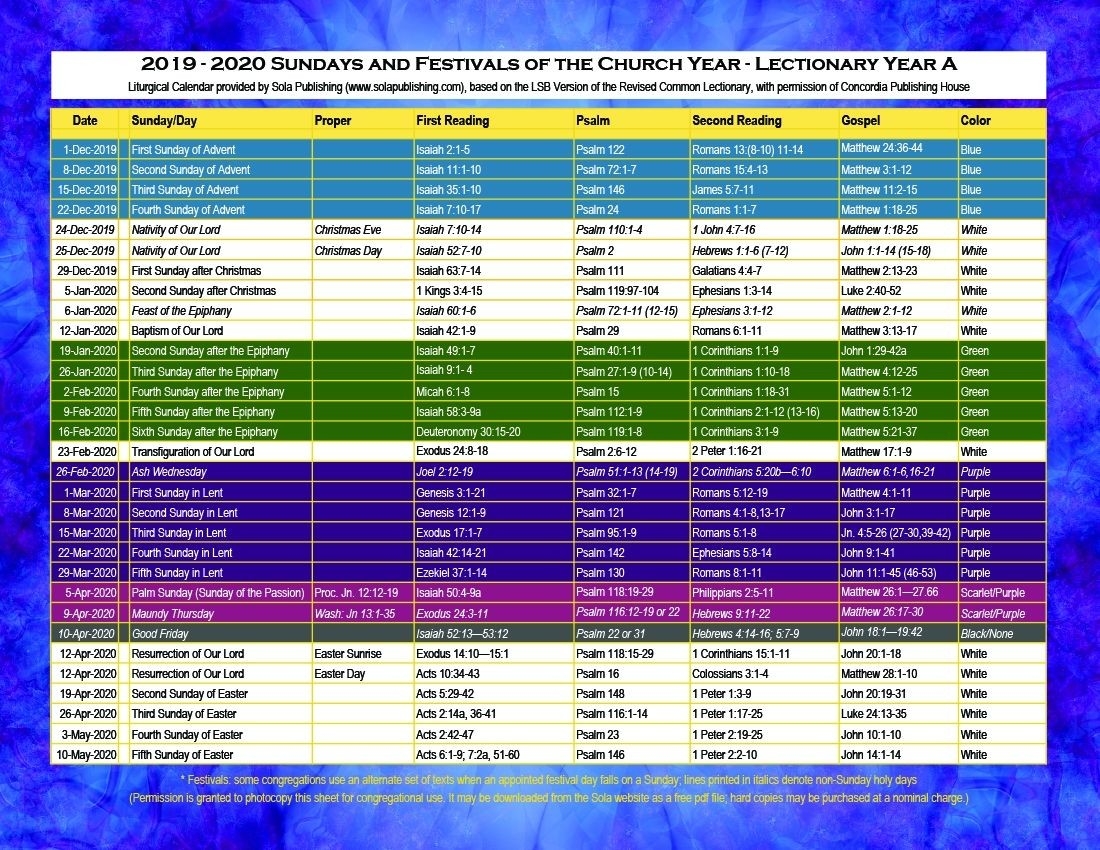
- Examine the Lectionary: The lectionary supplies a schedule of Scripture readings for every Sunday and main feast day. Learning these readings upfront can assist you put together for worship and deepen your understanding of the biblical narrative.
- Take part in Liturgical Practices: Have interaction within the practices related to every season, corresponding to fasting throughout Lent, giving alms throughout Introduction, and celebrating the Eucharist commonly.
- Mirror on the Themes of Every Season: Take time to mirror on the themes of every season and the way they relate to your individual life.
- Pray the Each day Workplace: The Each day Workplace, also referred to as Morning and Night Prayer, supplies a structured framework for prayer all through the day, drawing on Scripture, Psalms, and prayers from the Ebook of Widespread Prayer.
- Discover the Lives of the Saints: Learn concerning the lives of the saints and be taught from their examples of religion and repair.
- Create a Liturgical Atmosphere: Embellish your property or church with symbols and colours acceptable to every season.
- Have interaction in Social Justice: The liturgical calendar calls us to answer the wants of the poor and marginalized. Discover methods to interact in social justice initiatives that mirror the values of the Gospel.
Conclusion:
The Church of England’s liturgical calendar for 2026 affords a wealthy and significant framework for non secular progress and discipleship. By understanding the themes, practices, and significance of every season and commemoration, people and congregations can take part extra totally within the lifetime of the Church and deepen their relationship with God. As we journey by means of the liturgical 12 months, allow us to embrace the rhythms of the calendar and permit it to form our lives and remodel our hearts. The liturgical 12 months is a journey, not only a vacation spot, and by embracing its rhythms, we will draw nearer to Christ and reside out our religion extra totally on the earth.