Delving into the Hindu Calendar of 2026: A 12 months Wealthy in Custom and Cosmic Alignment
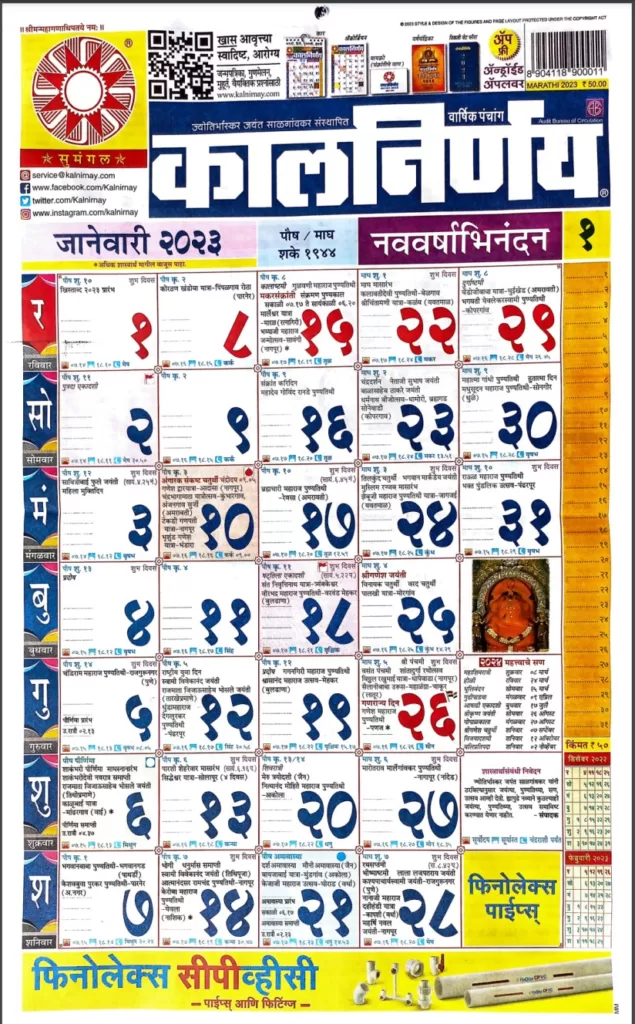 The Hindu calendar, a posh and engaging system for monitoring time, is deeply interwoven with the spiritual, cultural, and agricultural lifetime of thousands and thousands throughout the globe. Not like the Gregorian calendar, which is solely primarily based on the photo voltaic cycle, the Hindu calendar is lunisolar, harmonizing each the lunar and photo voltaic actions. This intricate system dictates the timing of festivals, rituals, auspicious events, and even day by day actions, shaping the rhythm of life for a lot of Hindus. As we glance in the direction of 2026, understanding the nuances of the Hindu calendar for that 12 months turns into essential for planning spiritual observances and appreciating the depth of this historical custom.
Understanding the Basis: The Lunisolar System
Earlier than exploring the specifics of the 2026 Hindu calendar, it’s important to understand the basic rules of the lunisolar system. This technique acknowledges each the lunar cycle (the time it takes for the Moon to orbit the Earth) and the photo voltaic cycle (the time it takes for the Earth to orbit the Solar).
- Lunar Months: The lunar cycle, roughly 29.5 days, kinds the idea of the lunar month. A lunar month begins after the New Moon (Amavasya) and ends with the following New Moon. There are twelve lunar months in a lunar 12 months.
- Photo voltaic 12 months: The photo voltaic 12 months, roughly 365.25 days, is longer than the lunar 12 months (roughly 354 days). This distinction of about 11 days necessitates changes to maintain the lunar calendar aligned with the seasons.
- Adhika Masa (Intercalary Month): To reconcile the discrepancy between the lunar and photo voltaic years, an additional month, generally known as Adhika Masa or Purushottam Maas, is added to the Hindu calendar roughly each 2.5 to three years. This ensures that the festivals and agricultural actions stay in sync with the seasons. Figuring out the incidence of Adhika Masa includes complicated calculations primarily based on the relative positions of the Solar and the Moon. The absence or presence of Adhika Masa considerably impacts the timing of festivals. We might want to seek the advice of particular almanacs (Panchangs) nearer to 2026 to find out if an Adhika Masa will happen that 12 months.
Completely different Regional Variations: A Tapestry of Traditions
The Hindu calendar just isn’t a single, monolithic entity. Completely different areas of India and Nepal comply with distinct variations, every with its personal distinctive nomenclature, calculation strategies, and emphasis on particular festivals. The 2 major methods are the:
- Vikram Samvat: Predominantly adopted in North India, this calendar begins with the Chaitra month (round March-April within the Gregorian calendar) and is known as after the legendary King Vikramaditya. The 12 months 2026 will correspond to the Vikram Samvat 12 months 2082-2083.
- Shaka Samvat: Extensively utilized in South India, this calendar begins with the Chaitra month however is calculated in another way. It’s also the official civil calendar of India. The 12 months 2026 will correspond to the Shaka Samvat 12 months 1948-1949.
Inside these two broad classes, additional regional variations exist. For instance, the Tamil calendar, the Bengali calendar, and the Malayalam calendar every have their very own distinctive options and beginning factors. These variations affect the precise dates of festivals and auspicious occasions.
Key Elements of the Hindu Calendar (Panchang): Decoding the Cosmic Blueprint
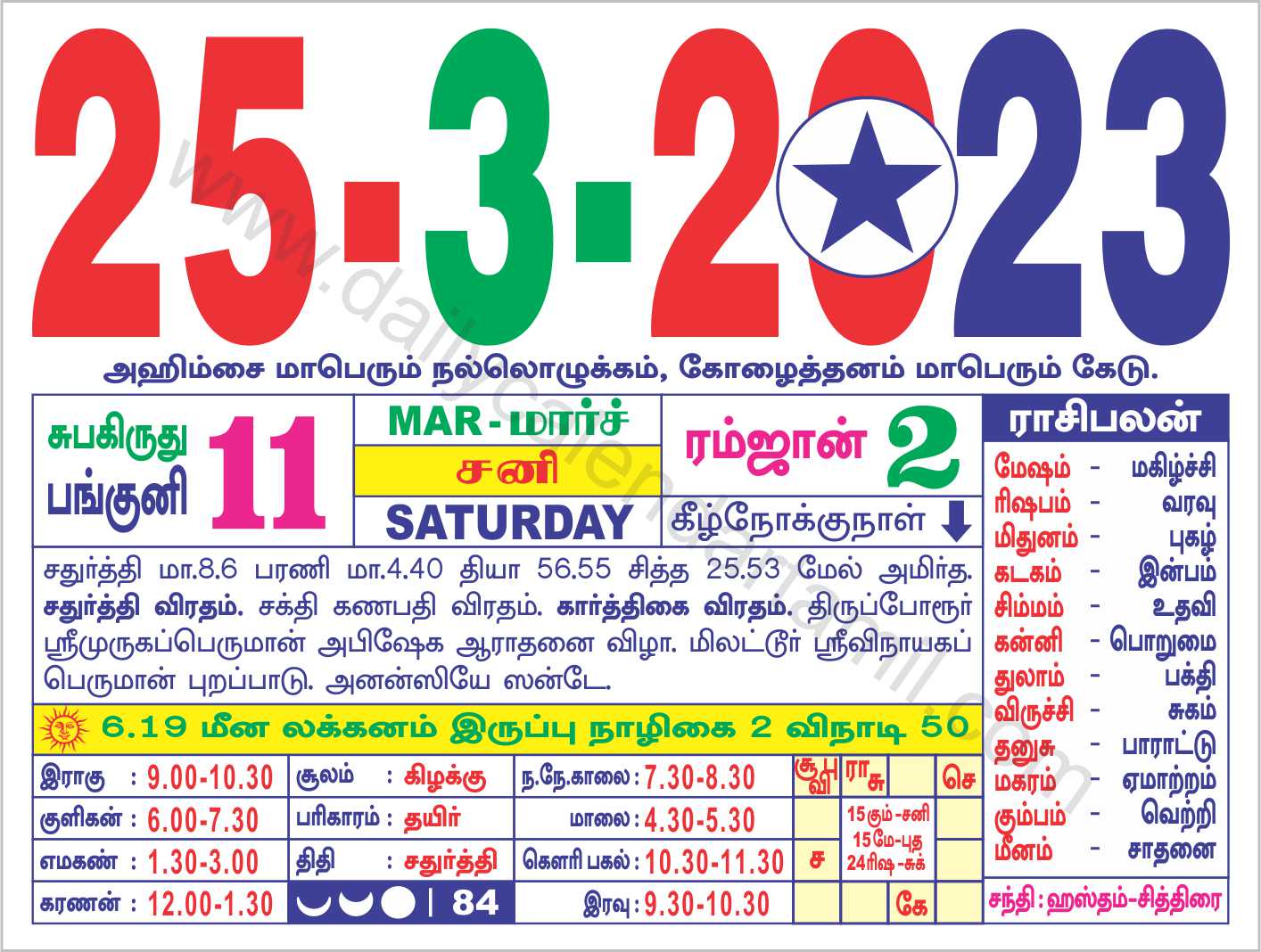
The Hindu calendar, also known as a Panchang (which means “5 limbs”), offers a complete astrological and astronomical information. The 5 important components of a Panchang are:
- Tithi (Lunar Day): Every lunar month is split into 30 tithis. These are the times decided by the angular relationship between the Solar and the Moon. The 30 tithis are grouped into two fortnights: Shukla Paksha (the waxing section of the Moon, from New Moon to Full Moon) and Krishna Paksha (the waning section of the Moon, from Full Moon to New Moon).
- Vaar (Weekday): The seven days of the week are named after the planets (Grahas): Ravi (Solar), Soma (Moon), Mangala (Mars), Budha (Mercury), Guru (Jupiter), Shukra (Venus), and Shani (Saturn).
- Nakshatra (Lunar Mansion): The ecliptic (the obvious path of the Solar throughout the sky) is split into 27 nakshatras or lunar mansions. Every nakshatra spans 13 levels and 20 minutes of the ecliptic. The place of the Moon in a specific nakshatra is taken into account important for figuring out auspicious instances.
- Yoga (Photo voltaic and Lunar Mixture): Yoga refers back to the particular relationship between the longitudes of the Solar and the Moon. There are 27 yogas, every with its personal attribute affect.
- Karana (Half Tithi): A Karana is half of a tithi. There are 11 Karanas, every with its personal particular significance.
The mix of those 5 components on any given day offers an in depth astrological profile, which is used to find out auspicious and inauspicious instances for varied actions.
Main Festivals and Observances in 2026 (Tentative): A 12 months of Celebration
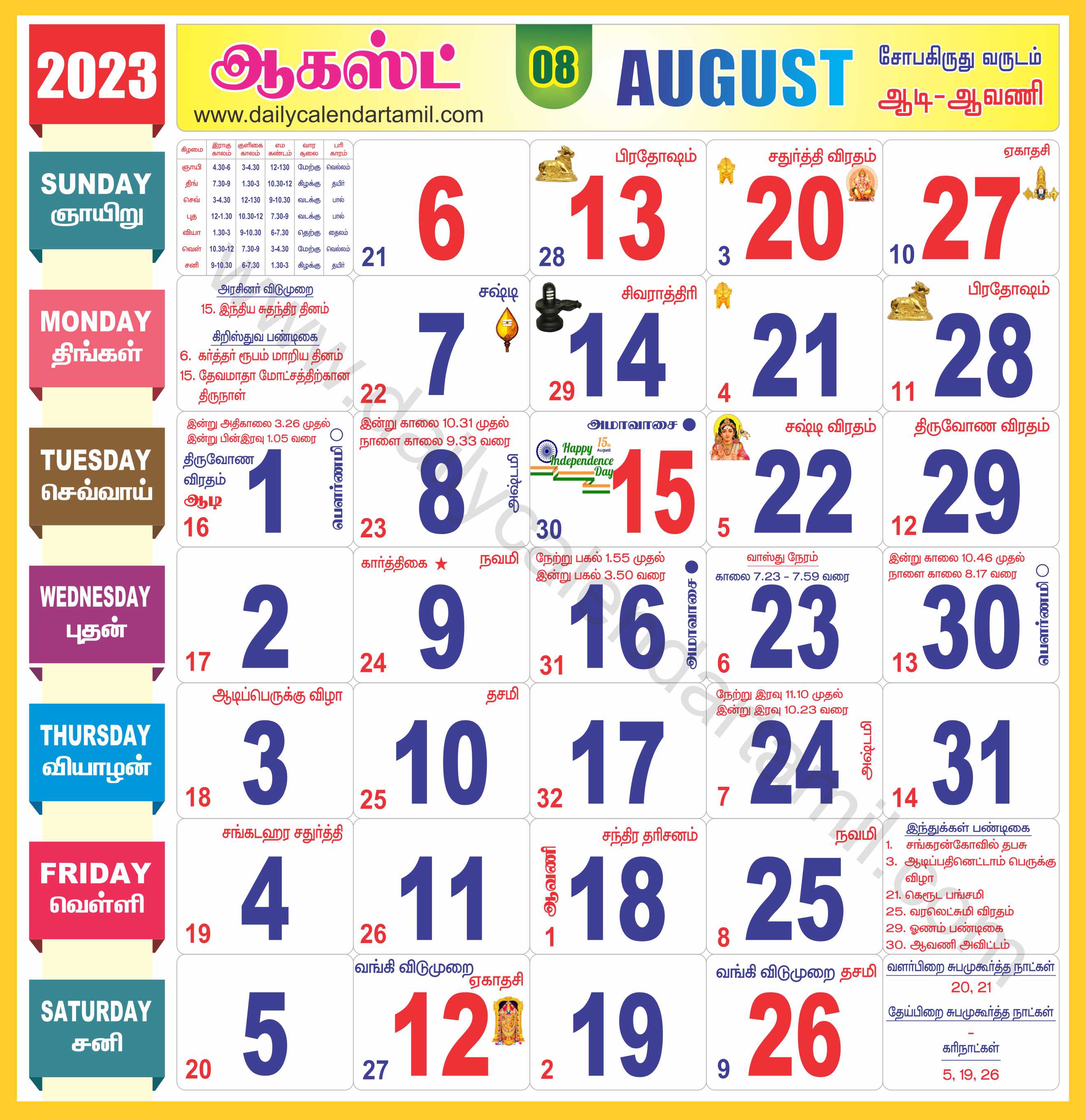
Whereas the precise dates will differ relying on the regional calendar being adopted, here is a tentative overview of a few of the main Hindu festivals and observances more likely to happen in 2026:
- Chaitra Navratri (March/April): This nine-day pageant is devoted to the worship of Goddess Durga in her varied kinds. It culminates in Rama Navami, the celebration of Lord Rama’s beginning.
- Rama Navami (March/April): Celebrates the beginning of Lord Rama, the seventh avatar of Vishnu.
- Hanuman Jayanti (April): Celebrates the beginning of Lord Hanuman, the devoted devotee of Lord Rama.
- Akshaya Tritiya (April/Might): Thought-about an auspicious day for beginning new ventures, making investments, and performing charitable acts.
- Buddha Purnima (Might): Celebrates the beginning, enlightenment, and loss of life of Gautama Buddha.
- Nirjala Ekadashi (June): An essential Ekadashi (the eleventh lunar day of every fortnight) noticed with a strict quick with out water.
- Guru Purnima (July): A day devoted to honoring non secular academics and guides.
- Hariyali Teej (July/August): A pageant celebrated by girls, devoted to Goddess Parvati and Lord Shiva.
- Raksha Bandhan (August): A pageant celebrating the bond between brothers and sisters.
- Krishna Janmashtami (August): Celebrates the beginning of Lord Krishna, the eighth avatar of Vishnu.
- Ganesh Chaturthi (August/September): A ten-day pageant celebrating the beginning of Lord Ganesha, the remover of obstacles.
- Navratri (September/October): One other nine-day pageant devoted to the worship of Goddess Durga. This Navratri culminates in Dussehra.
- Dussehra (September/October): Celebrates the victory of excellent over evil, commemorating Lord Rama’s victory over Ravana.
- Diwali (October/November): The pageant of lights, celebrating the return of Lord Rama to Ayodhya after his exile. It’s a time for household gatherings, feasting, and lighting lamps and fireworks.
- Govardhan Puja (October/November): Celebrated the day after Diwali, honoring Lord Krishna’s safety of the villagers of Vrindavan.
- Bhai Dooj (October/November): A pageant celebrating the bond between brothers and sisters.
- Kartik Purnima (November): A full moon day thought-about auspicious for spiritual actions and charity.
- Makar Sankranti (January 2027): A harvest pageant celebrating the transition of the Solar into the Makara (Capricorn) zodiac signal.
Figuring out Auspicious Occasions: Muhurta and its Significance
The Hindu calendar is not only about festivals; it additionally performs an important position in figuring out auspicious instances (Muhurta) for varied actions, corresponding to:
- Weddings: Selecting an auspicious Muhurta for a marriage is taken into account important for a contented and affluent married life.
- Beginning a New Enterprise: Launching a brand new enterprise throughout an auspicious time is believed to extend its possibilities of success.
- Griha Pravesh (Housewarming): Transferring into a brand new home throughout an auspicious Muhurta is taken into account essential for the well-being of the residents.
- Different Necessary Occasions: Auspicious instances are additionally hunted for different important occasions, corresponding to beginning a brand new job, present process medical therapy, or making essential choices.
Astrologers and clergymen use the Panchang to calculate these auspicious instances, making an allowance for the positions of the planets, the nakshatras, and different astrological elements.
The Hindu Calendar and Agriculture: A Symbiotic Relationship
Historically, the Hindu calendar has been deeply intertwined with agricultural practices. Farmers depend on the calendar to find out the optimum instances for sowing seeds, harvesting crops, and performing different agricultural actions. The calendar additionally signifies the timing of seasonal adjustments, which is essential for planning agricultural cycles. Whereas fashionable farming strategies have decreased the reliance on conventional calendars, many rural communities nonetheless take into account them a necessary information for his or her agricultural practices.
Consulting the Panchang: Discovering Correct Info
For correct and detailed details about the Hindu calendar for 2026, it’s essential to seek the advice of a dependable Panchang. These almanacs can be found in varied kinds, together with printed books and on-line assets. When selecting a Panchang, you will need to take into account the regional variation that’s most related to your location and the popularity of the writer or supply. Native temples and non secular organizations may also present useful details about the precise dates of festivals and auspicious occasions in your space.
Conclusion: A Residing Custom
The Hindu calendar is greater than only a system for monitoring time; it’s a residing custom that connects folks to their tradition, faith, and the cosmos. As we method 2026, understanding the intricacies of the Hindu calendar permits us to understand the depth and richness of this historical system and to plan our lives in concord with its rhythms. By consulting dependable Panchangs and interesting with educated people, we will unlock the knowledge of the Hindu calendar and expertise the advantages of aligning our actions with auspicious instances and cosmic energies. The 12 months 2026, guided by the Hindu calendar, guarantees to be a 12 months stuffed with non secular significance, cultural celebrations, and a deeper connection to the traditions which have formed generations. Keep in mind to seek the advice of particular Panchangs nearer to the 12 months for correct dates and instances, as variations exist and unexpected astronomical occasions can affect the calendar.